North Shore Boston Relocation Guide: Key Considerations
June 11, 2026
June 11, 2026
Thinking about leaving Boston for the North Shore? It sounds simple until you realize the move is not just about distance. It is about how you want to live day to day, what kind of home you want, and how much you are willing to trade city convenience for space, coastline, or a different pace. If you are weighing the move, this guide will help you compare commute patterns, price points, housing stock, and lifestyle tradeoffs across the North Shore. Let’s dive in.
Moving from Boston to the North Shore can mean a real shift in your daily routine. In Boston, many people build their lives around dense neighborhoods, short errands, and transit options that are always close at hand. On the North Shore, your experience depends much more on the specific town you choose.
Some communities are built around commuter rail access, while others lean more on driving and local bus service. That means two towns that seem close on a map can feel very different once you start thinking about work, errands, and weekend plans.
For many Boston buyers, the commute is the first major filter. The MBTA Newburyport/Rockport Line is the key rail corridor for much of the North Shore, with stops including Lynn, Swampscott, Salem, Beverly, Gloucester, Ipswich, Hamilton/Wenham, Rowley, and Newburyport, along with service into North Station.
If you want a move that still feels connected to Boston, towns on that rail line often make the most sense. They can give you a different home environment without fully giving up commuter access.
Salem is a strong example of a North Shore community where rail access shapes daily life. The city notes that the Newburyport/Rockport Line provides frequent service from North Station to Salem’s intermodal station. Salem also lists about a 30-minute drive from Boston and about a 25-minute drive from Logan Airport.
Beverly offers another version of commuter convenience. The city describes itself as a coastal community with four commuter rail stations, and it also has the Beverly Shuttle operated through the Cape Ann Transit Authority, serving stops such as Beverly Depot, City Hall, Beverly Hospital, and the Council on Aging.
Newburyport also shows how station access can shape lifestyle. The city says the Clipper City Rail Trail connects the MBTA commuter rail station with downtown, the waterfront, and surrounding neighborhoods, while MeVa bus service serves downtown Newburyport and the station.
As you move farther out, transit tends to become more local and less Boston-centered. Gloucester’s HarborWalk information notes that Cape Ann Transportation Authority buses serve Gloucester and Rockport, with additional service to Danvers, Peabody, Ipswich, Essex, and Beverly.
In practical terms, that often means a car-plus-local-transit lifestyle rather than a Boston-style transit routine. If you are used to relying heavily on the T, that is an adjustment worth thinking through before you fall in love with a home.
One of the biggest misconceptions about moving north is that the North Shore is automatically more affordable than Boston. The market data tells a more nuanced story.
Redfin reports Boston’s median sale price at $849,000 over the last three months, with homes going pending in around 21 days. In other words, Boston remains expensive and competitive, but some North Shore towns are right in the same price conversation.
Based on the market sample in the research, the North Shore looks less like one market and more like several distinct tiers.
That range matters if your move is budget-driven. Some towns may give you more room compared with Boston, but others now overlap Boston’s pricing almost exactly.
Price is only part of the picture. Market pace also changes by community.
According to the same data set, Lynn homes sold in about 35 days, Salem in 31, Peabody in 22, Beverly in 20, Ipswich in 44, Gloucester in 26, Newburyport in 24, and Marblehead in 22. That means your buying strategy may need to change depending on where you focus.
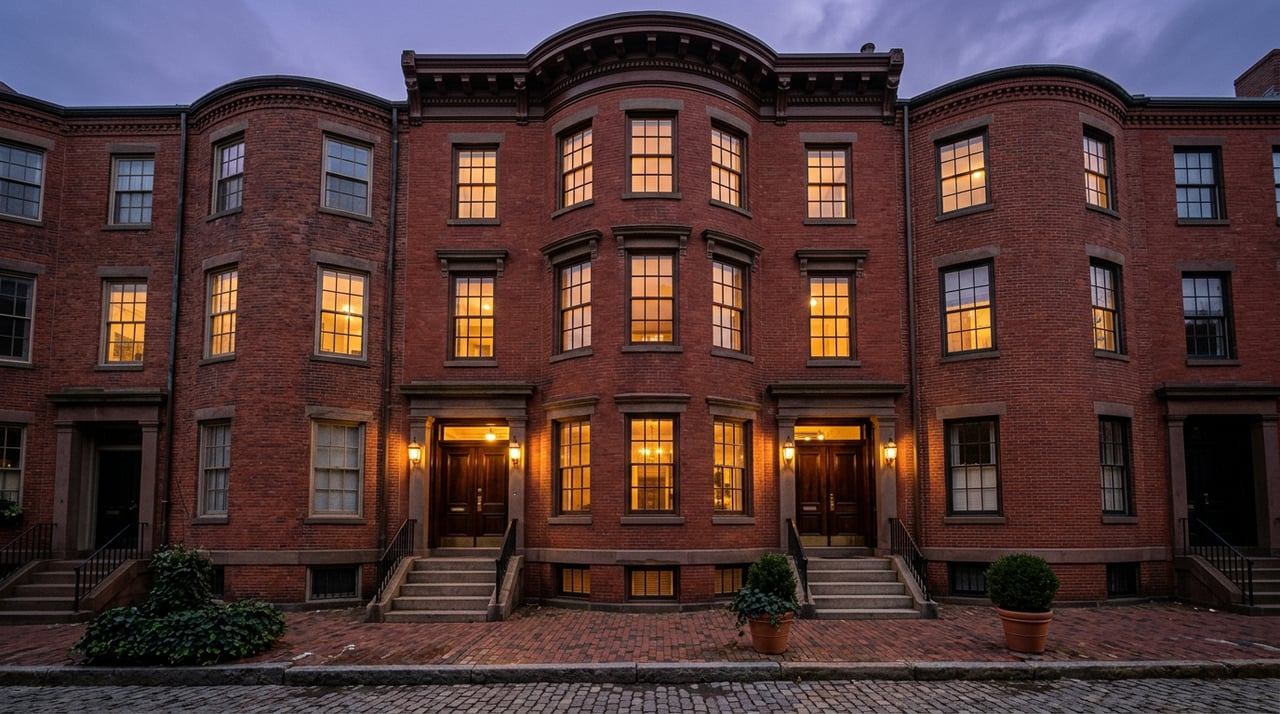
If part of the appeal is historic character, make sure you also understand the ownership side of that equation. Many North Shore towns have older housing stock, and in several communities, preservation review can affect what you can change.
This does not mean historic homes are harder to own across the board. It does mean you should go in with clear expectations if you are considering renovations, exterior updates, or larger projects.
Salem’s Historical Commission reviews work in four local historic districts. Beverly’s Historic Districts Commission oversees the Fish Flake Hill Local Historic District and the city’s demolition-delay ordinance.
Ipswich has both a Historical Commission and an Architectural Preservation District Commission. Newburyport’s Historical Commission says it protects historic structures, neighborhoods, and landscapes.
If you are coming from Boston and looking for a classic New England home, these details matter. A charming older property may offer the look you want, but it can also come with review processes that affect timing, design choices, and renovation scope.
The North Shore’s coastal appeal is a major reason people make the move. Waterfront views, beaches, harbor settings, and historic downtowns create a lifestyle that can feel very different from Boston.
At the same time, coastal living asks you to think beyond curb appeal. You need to consider environmental exposure, seasonal traffic, and the realities of owning closer to the water.
Gloucester’s official pages describe a historic working waterfront and award-winning beaches. Marblehead Museum describes Marblehead’s historic district as full of colonial-period homes and buildings that reflect a New England fishing port and harbor setting.
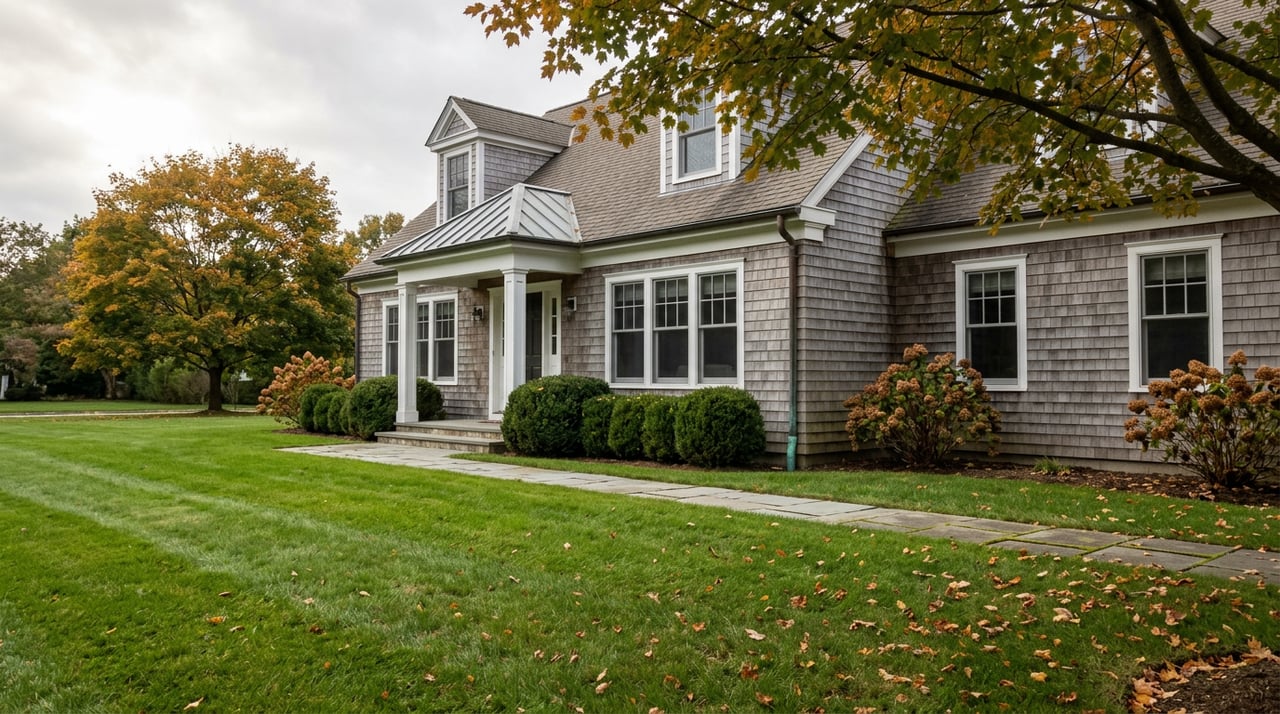
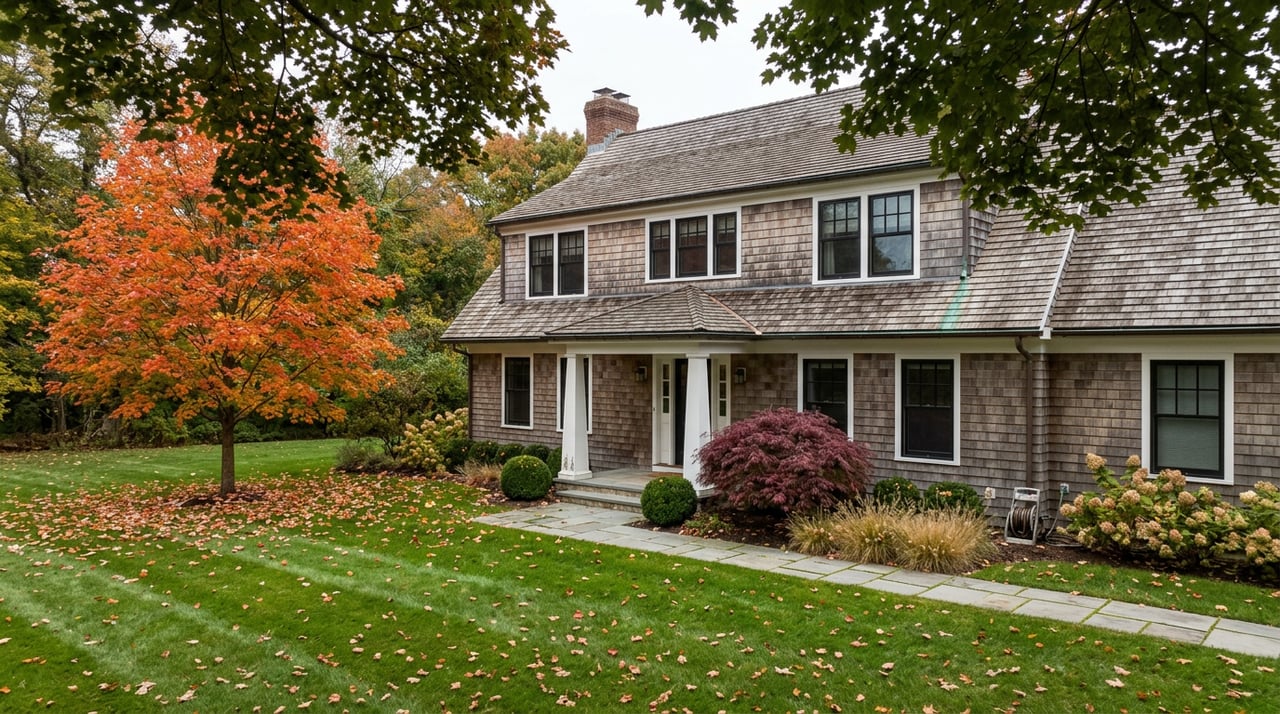
If that image is what is pulling you north, you are not alone. Many buyers are drawn to the North Shore because it offers a coastal setting with strong architectural character and established downtown areas.
Massachusetts says coastal areas are highly vulnerable to sea-level rise, storm surge, shoreline erosion, saltwater intrusion, and tidal flooding. The state also notes that beaches and dunes are among the most vulnerable habitats in the Commonwealth.
There is also a seasonal lifestyle component. Gloucester requires nonresident parking reservations at major beaches from Memorial Day weekend through Labor Day because those beaches fill quickly in summer.
For you as a buyer, the core question is simple: how much water-related exposure, visitor traffic, and maintenance are you comfortable with in exchange for a coastal setting? That answer will help narrow your search quickly.
Every North Shore move is really a choice between different lifestyles. Here is a high-level look at a few representative communities from the research.
Lynn is the most affordable city in this sample, with a median sale price of $547,000. It also sits on the Newburyport/Rockport Line, making it one of the more rail-accessible options for buyers who still want a connection to Boston.
Salem offers a historic, walkable city setting with museums, shops, and dining. It can appeal to buyers who want energy and character, but older-home buyers should be aware that historic district review may be part of ownership in some areas.
Beverly blends coastal character with commuter convenience. With four commuter rail stations, a local shuttle, downtown activity, open space, and an arts-and-culture scene, it offers a balance that many Boston movers find appealing.
Marblehead has a deeply historic harbor-town identity. Its current median sale price sits in the high $800,000s, so buyers considering it should know they are often shopping in a price range that overlaps with Boston.
Ipswich has a preservation-heavy character, with both historical oversight and an architectural preservation district. Its pricing is above the inner-ring towns in this sample, and homes there have taken longer to turn over than in several neighboring markets.
Gloucester stands out for its working waterfront, beaches, and strong coastal identity. It can be a good fit if you want a true beach-town and harbor lifestyle, but it also comes with the practical realities of seasonal demand and coastal exposure.
Newburyport offers a historic river-town setting with strong downtown and station-area connections. It also sits at the top of this sample’s pricing range, matching Boston’s median sale price at $849,000.
Before you move from Boston to the North Shore, it helps to get very specific about your priorities. A broad search usually gets easier once you define the lifestyle you actually want.
Ask yourself:
These answers usually matter more than the idea of simply leaving Boston. The best move is often the one that matches your routines, not just your wishlist.
A move from Boston to the North Shore can absolutely improve your lifestyle, but the right fit depends on more than geography. Commute structure, home type, price band, and coastal tradeoffs all shape how the move will feel once you are actually living there.
That is where a local, data-driven strategy helps. When you understand which towns line up with your budget, your commute, and your long-term goals, the search gets more focused and much less stressful.
If you are planning a move from Boston to the North Shore, Livingston Group can help you compare towns, evaluate homes, and build a smart relocation strategy with personalized, high-touch guidance.
Stay up to date on the latest real estate trends.