What Luxury Buyers Expect In Back Bay Homes
June 18, 2026
June 18, 2026
Wondering what truly stands out to luxury buyers in Back Bay right now? In a neighborhood where historic brownstones sit alongside full-service condominiums, buyers are looking for more than a prestigious address. They want a home that feels distinctive, well cared for, and easy to enjoy from day one. If you are buying or preparing to sell, understanding those expectations can help you make smarter decisions. Let’s dive in.
Back Bay remains one of Boston’s most recognized luxury markets, but it is also a selective one. Recent market snapshots point to premium pricing, with reported median sale prices ranging from about $1.51 million for year-to-date condos to $7.9 million for year-to-date single-family homes, depending on property type and timeframe.
That gap tells you something important. Luxury buyers in Back Bay are not treating every property the same. They are weighing building type, condition, services, carrying costs, and block-by-block value with a much sharper eye.
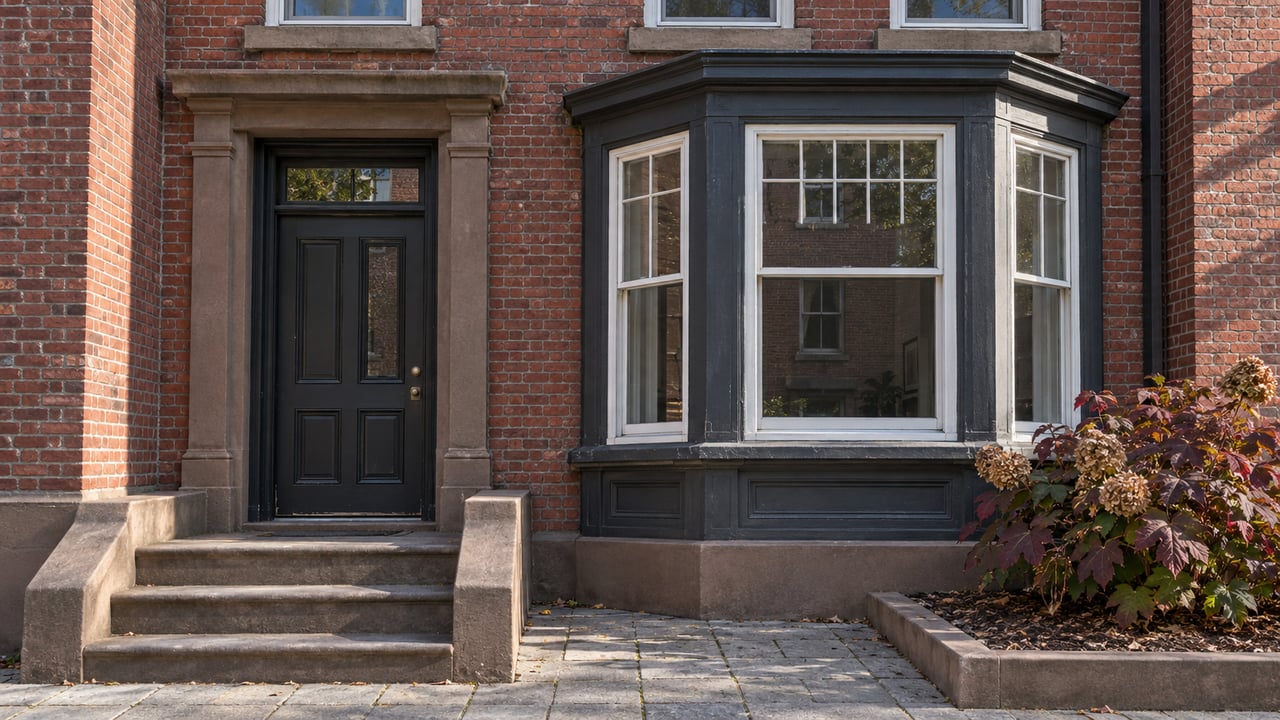
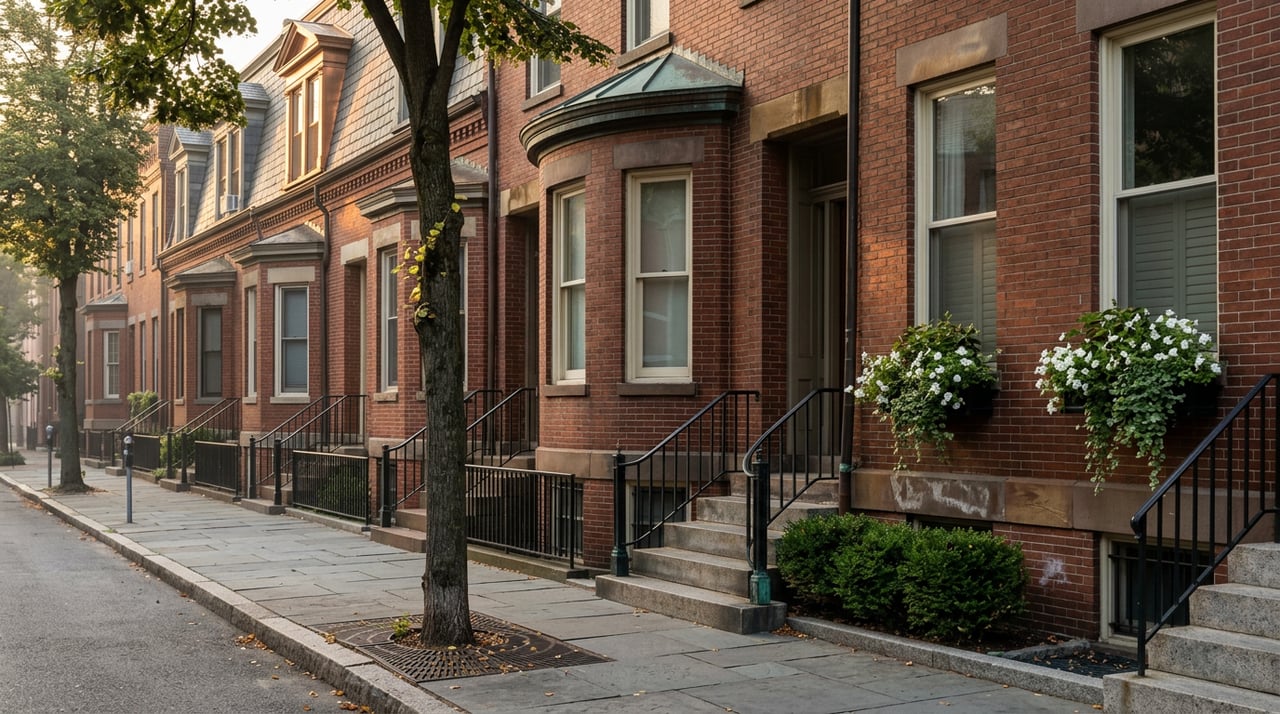
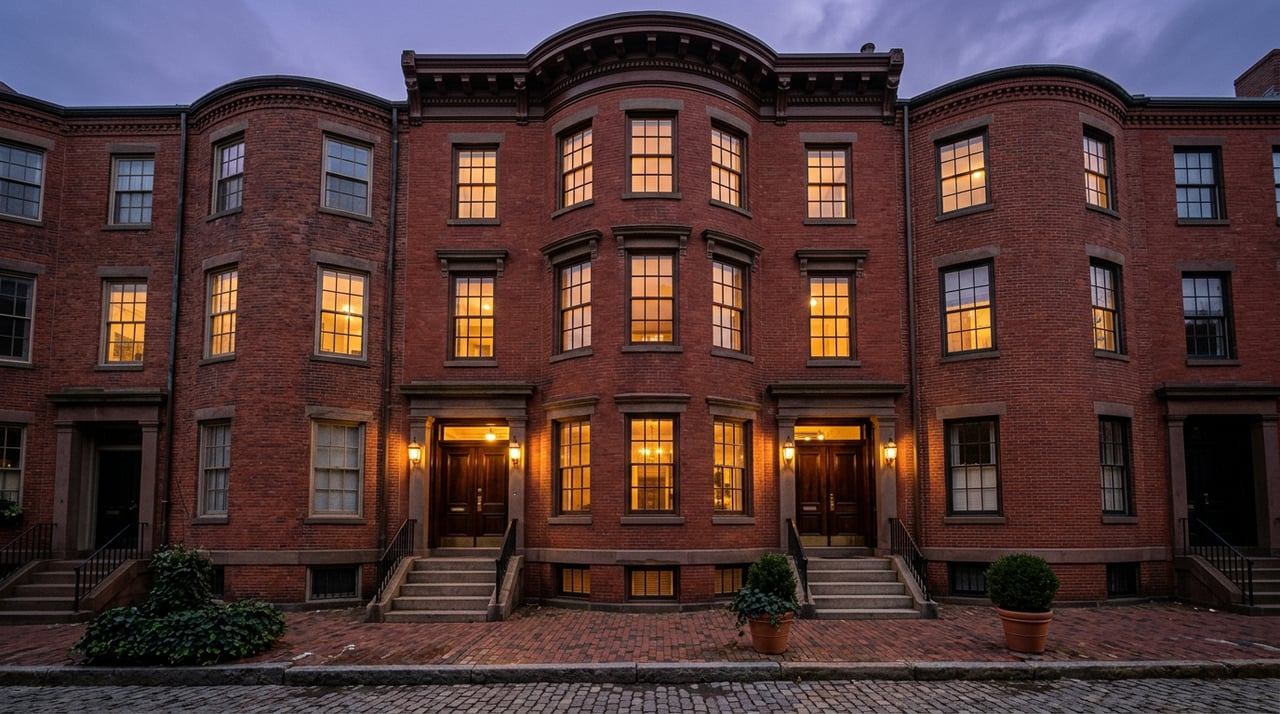
For many buyers, Back Bay’s appeal starts with architecture. The neighborhood’s historic streetscape and classic brownstone details continue to hold real value, especially because exterior changes in the Back Bay Architectural District require approval before construction begins.
That oversight helps preserve the area’s form, scale, and continuous street facade. In practical terms, it means buyers often place a premium on homes that retain original character while also offering thoughtful updates inside.
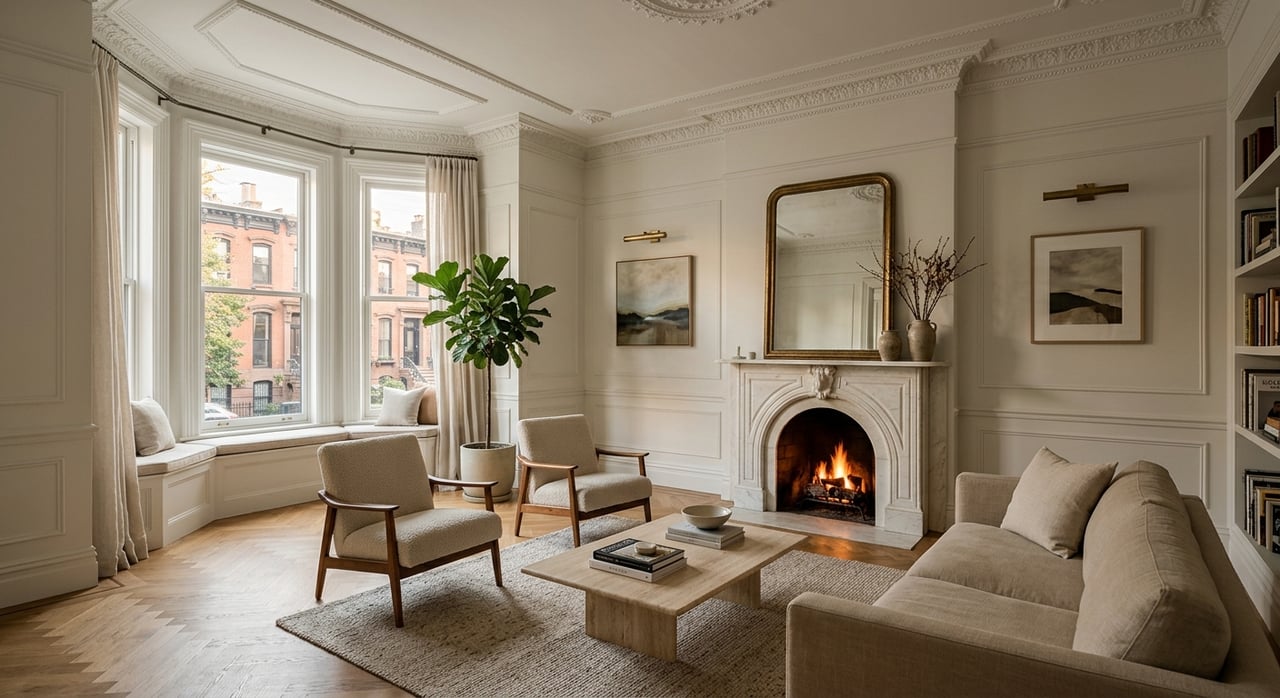
In a luxury brownstone, original millwork, period detailing, and a well-preserved facade can shape first impressions quickly. Buyers are often drawn to homes that feel rooted in Back Bay’s architectural history rather than stripped of it.
At the same time, charm alone is rarely enough at the top of the market. Buyers tend to respond best when historic details are paired with upgrades that support everyday comfort.
If you are selling a brownstone, exterior work is not something to leave until the last minute. Because district approval is required before construction starts, any facade, window, or exterior improvement plans should begin early.
For sellers, this can affect timing, presentation, and buyer confidence. A home with compliant exterior improvements already addressed may feel more turnkey and less complicated to a buyer.
Today’s luxury buyer often wants a home that lives easily. In Back Bay, that usually means preserved architecture on the outside and modern systems, refreshed interiors, and polished finishes on the inside.
This is especially true in a market where buyers have more choice. If a property feels like a project, many buyers may wait, negotiate harder, or move on to a home that feels ready now.
You do not always need a full gut renovation to meet buyer expectations, but kitchens and primary baths still carry outsized influence. Buyers tend to notice whether these spaces feel current, functional, and consistent with the property’s price point.
Simple refreshes can also shape perception. Updated lighting, clean finishes, and a cohesive design story can help a home feel more complete and more valuable.
Luxury buyers are not only looking at what they can see. They are also thinking about the ease of ownership, including whether core systems feel current and dependable.
In a historic property, that confidence matters. A home that blends period character with modern livability usually has broader appeal than one that asks the buyer to take on major follow-up work.
In Back Bay, convenience often becomes a luxury feature in its own right. Buyers at the high end are not just paying for square footage. They are paying for time saved, friction reduced, and a smoother daily routine.
That is one reason certain amenities keep showing up in standout sales and listings. Features that make urban living easier can strongly influence how buyers compare options.
In vertically stacked brownstones, elevator access can make a major difference. It supports comfort, accessibility, and long-term usability, especially in multi-level homes.
Recent top-end Back Bay sales reinforce that point. Buyers have shown they will pay for a townhouse that combines historic pedigree with practical upgrades like elevator access to all floors.
Parking carries unusual weight in Back Bay. Boston reporting has highlighted just how valuable a single parking space can be, and many luxury condo buildings rely on valet or concierge parking rather than attached garages.
For buyers, that means parking is not a minor perk. It can be one of the clearest lifestyle differentiators between otherwise comparable homes.
Private patios, decks, balconies, and roof access can also stand out quickly. In a dense urban neighborhood, usable outdoor space often feels limited, which makes it more desirable.
That scarcity adds emotional and practical appeal. Buyers often see outdoor space as an extension of the home, especially for entertaining or quiet daily use.
Luxury condos in Back Bay compete on more than finishes and views. They also compete on service level, building experience, and ease of living.
For many buyers, that means evaluating the entire lifestyle package. Concierge support, valet parking, doorman coverage, fitness amenities, storage, and guest accommodations all shape perceived value.
At the top of the condo market, hotel-style services can be a major draw. Recent Back Bay listings and sales have highlighted 24-hour concierge, valet, spa and fitness access, in-residence dining options, private balconies, and garage parking.
These features appeal to buyers who want a low-friction ownership experience. In many cases, convenience and service can matter just as much as square footage.
Luxury condo buyers are also paying attention to the full cost of ownership. Monthly fees can be substantial, and buyers want to know exactly what those fees cover.
That makes transparency important. A higher fee may feel justified if it supports services like valet parking, snow removal, landscaping, and exterior maintenance, but buyers still want to see the value clearly.
Many affluent buyers are placing more value on wellness and recovery features than they did a few years ago. In Back Bay, that can show up in both private-home upgrades and condo amenity packages.
Move-in-ready properties with resort-style fitness areas, saunas, steam rooms, cold plunges, or whole-home water filtration may attract stronger attention. If those features are already in place, the home can feel more aligned with current luxury expectations.
Even exceptional properties can fall flat if the marketing does not communicate scale, flow, and light. That challenge is especially relevant in Back Bay, where homes may have vertical layouts, compact footprints, or details that need careful visual storytelling.
Buyers often form their first impression online. That means presentation is not just decoration. It is part of the property’s strategy.
Recent staging research found that many buyers respond positively when a home is staged, because it helps them visualize the property as a future home. The same reporting showed that staging can reduce market time and may support stronger offers.
In Back Bay, the most important rooms to focus on are often the living room, primary bedroom, and kitchen. Those spaces tend to carry the strongest emotional and practical weight for buyers.
Photography should do the heavy lifting first. In a luxury listing, buyers want to understand ceiling height, natural light, entertaining flow, and the relationship between rooms almost immediately.
Video and virtual tours can then deepen that story. For remote or relocating buyers in particular, polished digital presentation can make a meaningful difference in how seriously they engage with a property.
In a broader luxury market with more inventory, disciplined pricing matters. Back Bay sellers cannot rely on neighborhood prestige alone to carry a listing.
Buyers are comparing building-specific and block-specific value. They are also looking closely at condition, service package, and long-term carrying costs, especially in the condo segment where market times can run longer.
If a property is polished, updated, and easy to buy, luxury buyers may act decisively. If it needs work, they are more likely to seek a meaningful discount or wait for a better fit.
That split is important for sellers. The more move-in-ready your property feels, the better your chances of creating momentum early in the listing period.
If you are preparing a Back Bay luxury home for sale, the strongest pre-listing decisions often center on livability, presentation, and compliance. Buyers want to see a home that respects the neighborhood’s architecture while feeling ready for modern life.
That usually means focusing on improvements that buyers can feel right away, not just line items on a project list.
In Back Bay, luxury buyers tend to reward homes that balance heritage with ease. When a property feels architecturally authentic, visually polished, and simple to step into, it is much easier for buyers to say yes.
Whether you are preparing to sell or trying to understand what drives value in this market, a detailed, property-specific strategy matters. If you want tailored guidance on positioning, pricing, or evaluating a Back Bay opportunity, schedule a complimentary strategy consultation with Livingston Group.
Stay up to date on the latest real estate trends.