Buying A Home In Park Circle: Old Vs. New Builds
July 2, 2026
July 2, 2026
Thinking about buying in Park Circle and torn between a classic bungalow and a newer build? You are not alone. In this part of North Charleston, both options can make sense, but they offer very different day-to-day experiences, maintenance needs, and price points. If you want to weigh charm against convenience with more confidence, this guide will help you compare what old and new really look like in Park Circle. Let’s dive in.
Park Circle has deep roots and a very current appeal. North Charleston planning documents describe it as a Garden City-style neighborhood laid out in 1915, with much of the surrounding housing built between 1915 and 1940. Since 2000, newer development around the edges has added another layer to the neighborhood’s housing mix.
Today, Park Circle is widely known as one of North Charleston’s most walkable districts. The area around East Montague Avenue serves as a dining and shopping corridor, and the neighborhood also includes green space, trails, a community building, a farmers market pavilion, recurring events, and a large inclusive playground. It is also less than ten miles north of downtown Charleston, which adds to its everyday convenience.
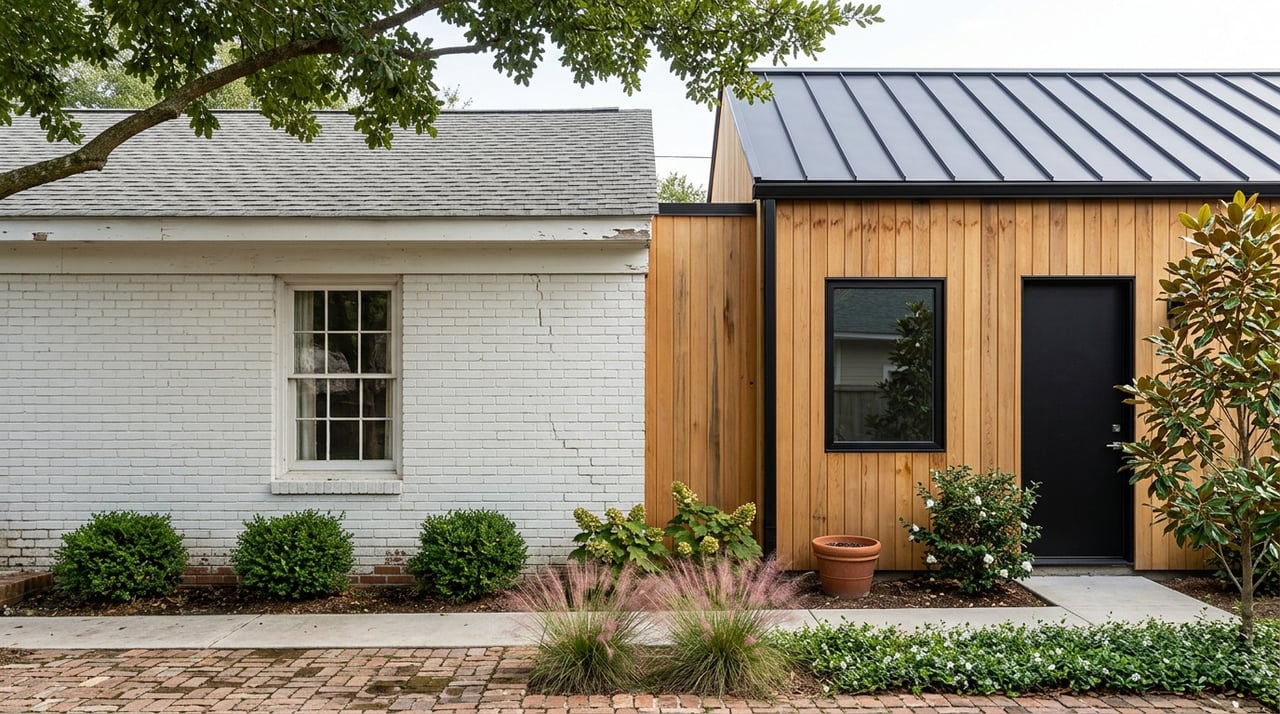
That mix is exactly why the old-versus-new question matters here. Park Circle is one of those rare neighborhoods where you can choose between early-to-mid-century homes in the core and newer infill construction nearby, all within the same broader lifestyle setting.
Before comparing features, it helps to set expectations on pricing. Recent market snapshots place Park Circle broadly in the mid-to-high $500,000s, though the exact number varies by platform and timing.
Redfin reported a May 2026 median sale price of $594,800 and a recent median listing price of $579,000. Homes.com reported a June 2026 median home price of $559,500 and an average sale price of $542,299. Redfin also noted homes were spending about 51 days on market in its recently sold snapshot.
The biggest takeaway is simple: new construction is not automatically the cheaper option, and older homes are not automatically the premium option. In Park Circle, value often comes down to condition, layout, updates, and the specific location within the neighborhood.
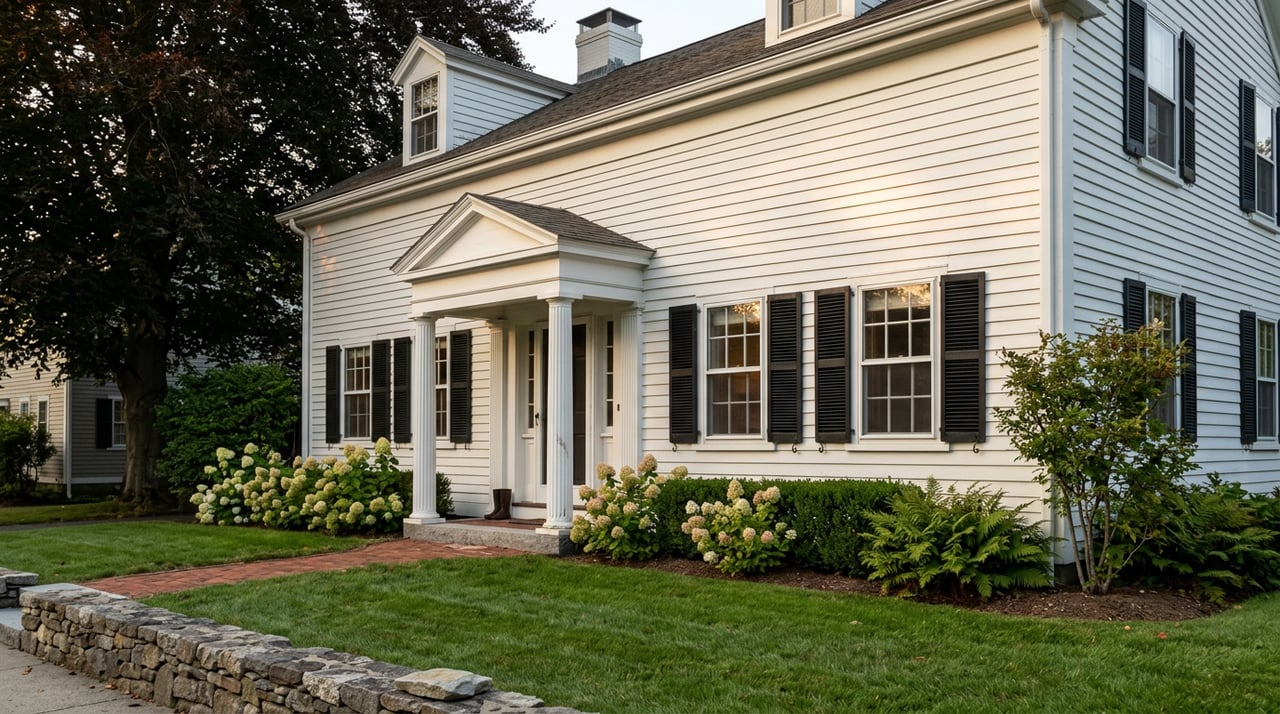
Older homes in Park Circle often include bungalows, cottages, and ranch-style properties. Many are smaller to mid-size single-family homes rather than large modern floor plans, which can appeal to buyers who want a more compact footprint or a traditional layout.
Recent examples show this clearly. Listings have included a 1955 bungalow with 3 bedrooms and 1 bath in 1,032 square feet, a brick cottage with 3 bedrooms and 2 baths in 1,176 square feet, and a renovated bungalow with 2 bedrooms and 2 baths in 1,527 square feet.
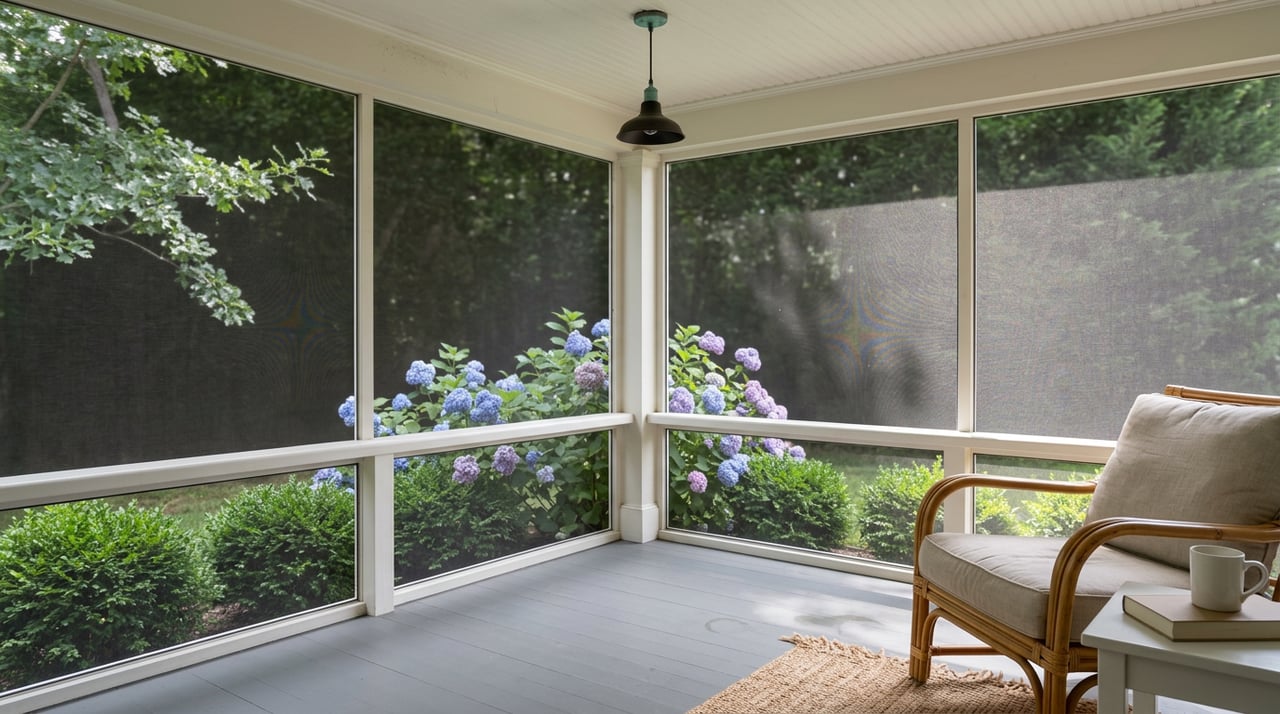
If you are drawn to older homes, the appeal is often in the details. Listings for Park Circle resales frequently highlight features like original oak floors, screened porches, cathedral ceilings, skylights, and updated kitchens.
There is also the broader setting to consider. Older homes are often tied more closely to the original streetscape, with mature trees and porch-oriented design that many buyers associate with Park Circle’s established character.
Age alone does not tell you whether a home will be a great fit. A well-maintained or thoughtfully updated older home may offer a smoother ownership experience than a poorly finished newer one.
That said, inspections matter. The Consumer Financial Protection Bureau recommends scheduling an independent home inspection as soon as possible so you have time to identify issues and, when your contract allows, negotiate repairs, credits, or cancellation if needed.
Some older Park Circle homes already come with meaningful improvements. Recent listings have mentioned updates such as new HVAC and ductwork, new windows, tankless water heaters, and even generators. Those upgrades can make a major difference when you compare one older home to another.
One of the most interesting things about older Park Circle homes is how wide the price range can be. Recent sales included a 3-bedroom, 2-bath home with 1,176 square feet that sold for $485,000, a 2-bedroom, 2-bath ranch with 1,150 square feet that sold for $599,000, and a renovated 3-bedroom, 2-bath ranch with 1,812 square feet that sold for $705,000.
That spread tells you something important. In Park Circle, condition and updates can matter just as much as age. Two homes built decades apart, or even in the same era, can deliver very different value depending on renovation quality and overall livability.
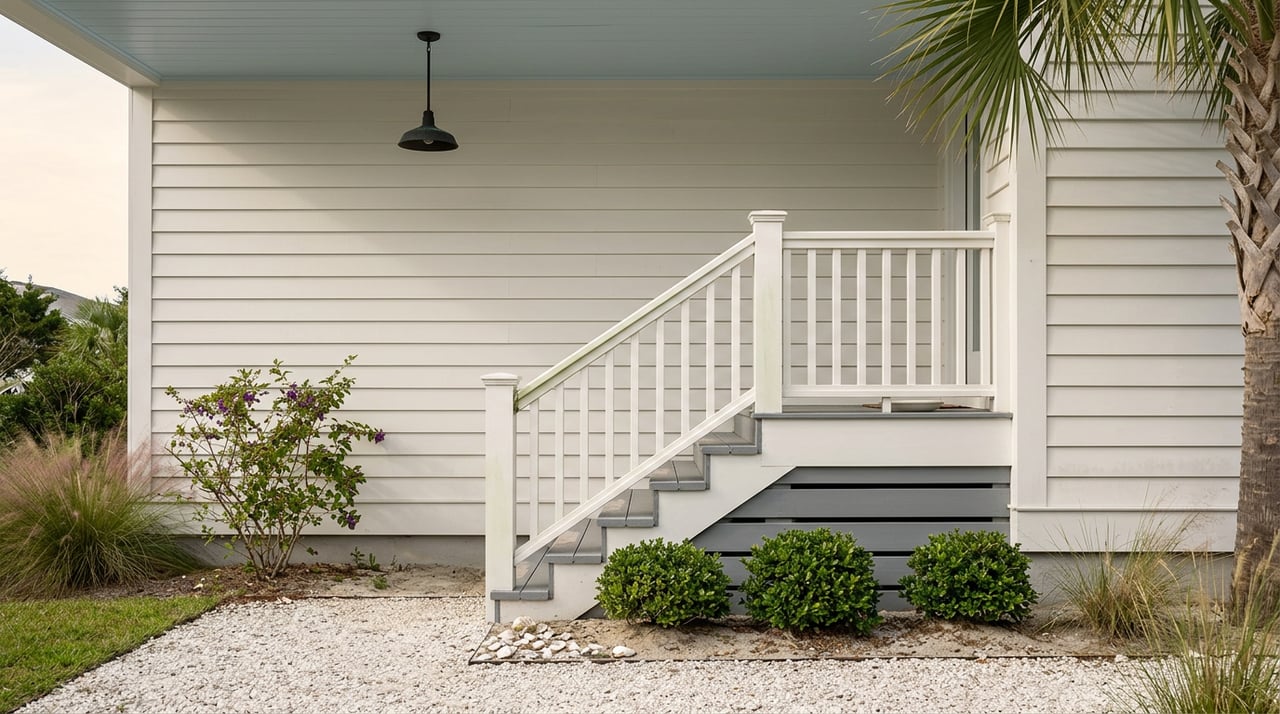
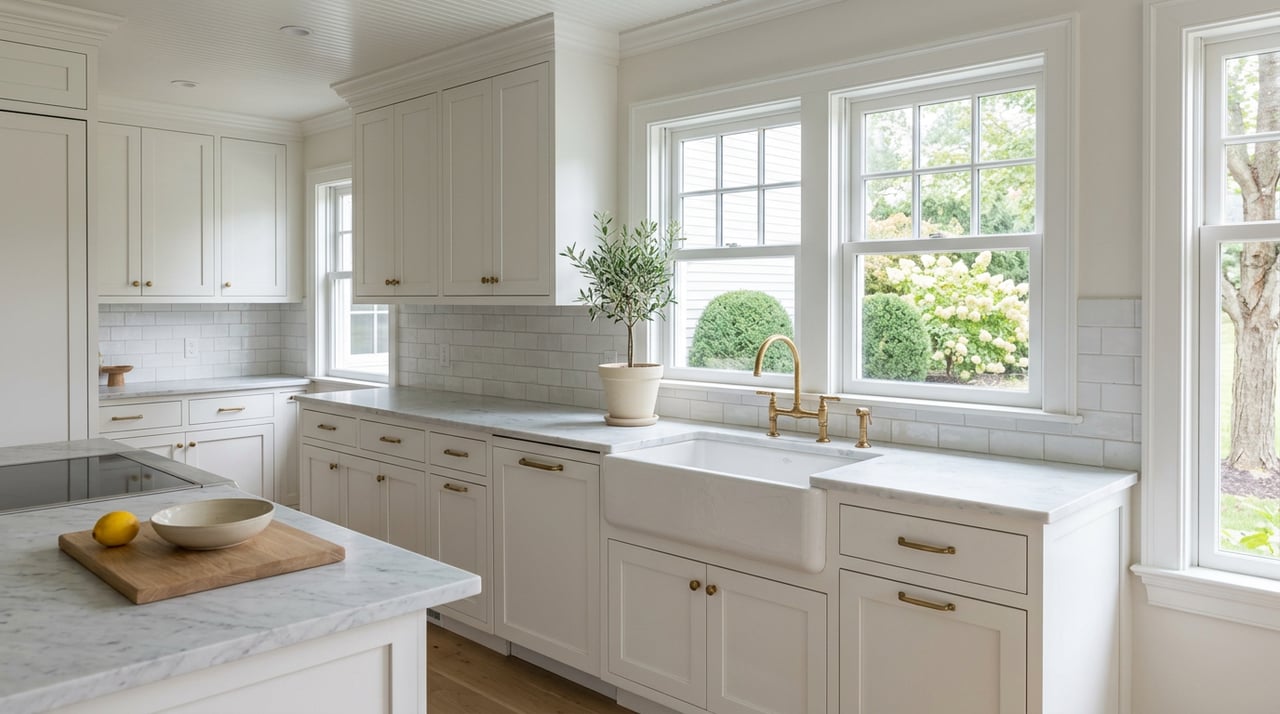
Newer homes in Park Circle often focus on modern layouts and lower near-term upkeep. Listings commonly highlight open living spaces, additional bathrooms, contemporary finishes, and products chosen for easier maintenance.
Current examples include a 2-bedroom, 1.5-bath new home with 961 square feet listed at $399,000, a 3-bedroom, 2.5-bath home with 1,400 square feet at $378,000, and a 3-bedroom, 2.5-bath two-story home with 1,900 square feet at $450,000. Features in these listings include quartz countertops, shaker or soft-close cabinetry, stainless appliances, luxury vinyl plank flooring, tankless water heaters, porches, and taller ceilings.
New construction in Park Circle is not limited to detached homes. Townhome options are also part of the mix, especially for buyers who want more square footage and a more recent build.
At The Walk at Park Circle, current plans start at $479,990 for 3 to 4 bedrooms and more than 1,941 square feet across three stories with one garage. Move-in-ready townhomes are listed around $529,990 to $649,000, and larger 4-bedroom homes in the same line reach about 2,650 square feet.
Other current new-home examples include 4-bedroom, 4.5-bath townhomes priced at $599,900 and $629,000, with flexible upper-level or suite-style layouts. For some buyers, that extra flexibility can be a strong advantage over older one-story homes with fewer baths.
For many buyers, the appeal of a newer home comes down to predictability. A new build may offer more bathrooms, a more open floor plan, and fewer immediate repair projects after closing.
That can be especially helpful if you want a simpler move-in process or if your household needs function first. In a neighborhood like Park Circle, where lifestyle draws people in but housing styles vary widely, newer homes can offer a more turnkey path into the area.
A major advantage of new construction is the builder warranty. The Federal Trade Commission notes that builder warranties generally cover permanent parts of the home, though the coverage is limited and can vary.
In many cases, workmanship and materials coverage lasts about one year, HVAC, plumbing, and electrical systems may be covered for about two years, and some major structural defects may have coverage for up to ten years. That can provide peace of mind, but it is not the same thing as zero maintenance or zero cost.
Even with a warranty, a new home should still be inspected. The CFPB recommends using an independent inspector and doing so early enough that you can respond to any concerns within your contract timeline.
That advice matters just as much for a new build as it does for an older bungalow. A warranty may help after the fact, but an inspection helps you understand what you are buying before you close.
Another detail to check is HOA status. In Park Circle, that is not uniform across the neighborhood.
Some newer townhome listings include HOA dues, while some older single-family homes are marketed with no HOA. If monthly carrying costs and property rules matter to you, this is worth comparing early in your search.
If you picture Park Circle as porch living, mature trees, and homes with original details, an older property may feel more aligned with what brought you here in the first place. You may also find that renovated resales offer a strong middle ground, with classic curb appeal and updated systems.
This route can work well if you are comfortable evaluating condition carefully and staying flexible on layout. In many older homes, the charm is real, but so is the importance of understanding what has already been improved and what may still need attention.
If your priorities lean toward more bathrooms, open common areas, and fewer immediate maintenance projects, a new build may feel easier. The newer inventory in Park Circle often reflects how people live today, with more flexible room counts, larger vertical layouts, and finishes designed for lower upkeep.
That can be especially appealing if you want a more turnkey home or if daily logistics matter more than vintage details. Garages, extra baths, and newer systems can have a real impact on comfort and routine.
Park Circle offers a neighborhood-oriented setting with trails, events, green space, a farmers market pavilion, a community building, and a large inclusive playground. That broader environment supports many types of households, whether you are buying your first home, looking for more space, or simply trying to balance location with lifestyle.
The best choice usually comes down to how you want to live once you move in. A home that looks great online is not automatically the right fit if it does not match your tolerance for projects, your need for space, or your budget for future updates.
When you tour homes in Park Circle, try not to stop at the year built. A better comparison looks at several factors side by side:
That approach is especially useful in Park Circle because the housing stock is so mixed. The neighborhood’s core and surrounding areas can offer very different ownership experiences, even when the homes are only a short distance apart.
In the end, buying in Park Circle is less about choosing a “better” era and more about choosing the right fit for your goals. If you focus on condition, function, and your comfort with future projects, you will be in a much stronger position to decide between old charm and new convenience.
If you want help comparing homes with a sharper eye on value, layout, and long-term fit, schedule a complimentary strategy consultation with Livingston Group.
Stay up to date on the latest real estate trends.