Moving From Boston to Charleston: What to Expect
June 25, 2026
June 25, 2026
Thinking about trading Boston’s tight city grid for Charleston’s slower-spread Lowcountry rhythm? It is a big move, and the appeal is easy to understand. You may be looking for milder winters, more space, or a different pace of daily life, but every relocation comes with tradeoffs. This guide breaks down the biggest lifestyle shifts so you can compare the two cities more clearly and move forward with confidence. Let’s dive in.
A move from Boston to Charleston usually means shifting from a denser, more compact city to a more spread-out one. Boston has 675,647 residents across 48.34 square miles, while Charleston has 157,665 residents across 114.76 square miles. That translates to about 13,976.7 people per square mile in Boston compared with 1,309.1 in Charleston.
That density gap shapes almost everything about daily life. In Boston, homes, errands, and workplaces often sit closer together. In Charleston, you may gain breathing room, but you will likely experience a more car-centered routine and a wider geographic spread between daily stops.
If weather is one of the reasons you are considering Charleston, the difference is dramatic. Boston’s average annual temperature is 51.9°F, while Charleston’s is 66.5°F. Boston also averages 49.2 inches of snow each year, compared with just 0.3 inches in Charleston.
Winter is where many movers feel the payoff first. In January, Boston’s average high and low are 36.8°F and 23.1°F, while Charleston averages 60.2°F and 38.9°F. If you are tired of snow shovels, icy sidewalks, and long stretches of cold, Charleston offers a much milder winter pattern.
Summer, however, is the other side of the equation. In July, Boston averages 82.1°F and 66.0°F for high and low temperatures, while Charleston averages 91.3°F and 73.7°F. That means you are not just moving south to warmth. You are also moving into hotter, more humid summers.
Charleston is wetter overall, too. Annual precipitation averages 52.51 inches there, compared with 43.59 inches in Boston. For many buyers, that makes storm planning and home maintenance a more visible part of homeownership.
One of the most important Charleston-specific tradeoffs is living in a coastal environment where water planning matters. The City of Charleston’s WaterWise resources direct residents to evacuation-zone maps, flood-zone information, flood insurance guidance, and hurricane preparedness tools. In practical terms, that means flood awareness is part of normal homeowner due diligence.
This does not mean every home carries the same level of flood risk. It does mean you should expect to ask more detailed questions about elevation, flood zones, drainage, insurance, and storm readiness than you may be used to asking in Boston. For many buyers, this becomes a routine part of narrowing down location and property type.
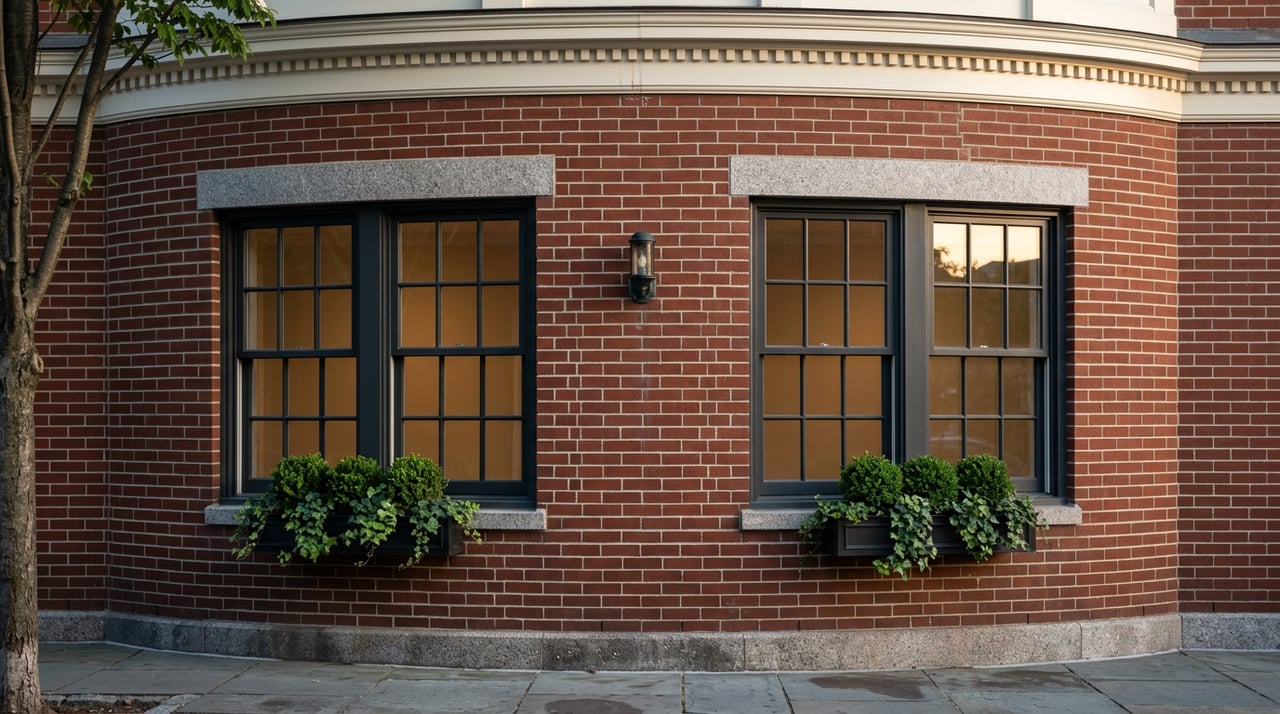
Housing style is one of the most noticeable changes when you compare these two cities. In Boston, many well-known residential forms are urban and attached, including triple deckers in Dorchester, Victorian brownstones in the South End, and brick rowhouses in Bay Village. That built environment reflects Boston’s long history as a compact city.
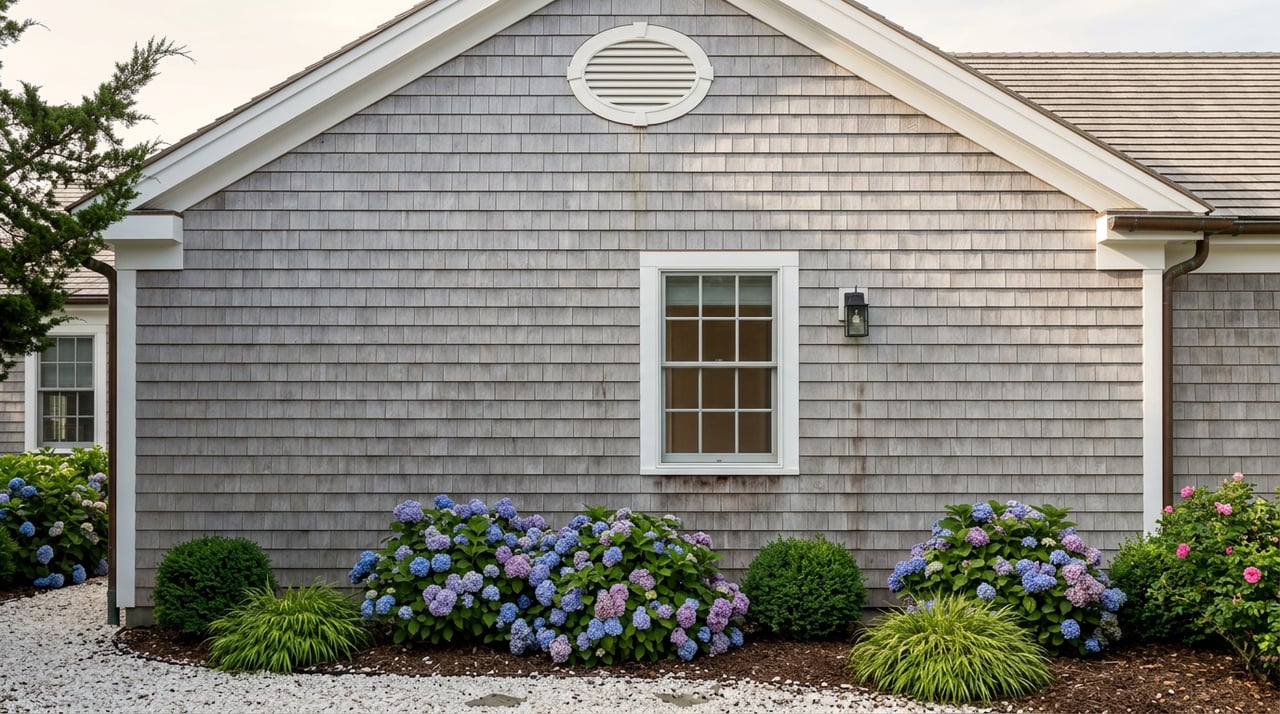
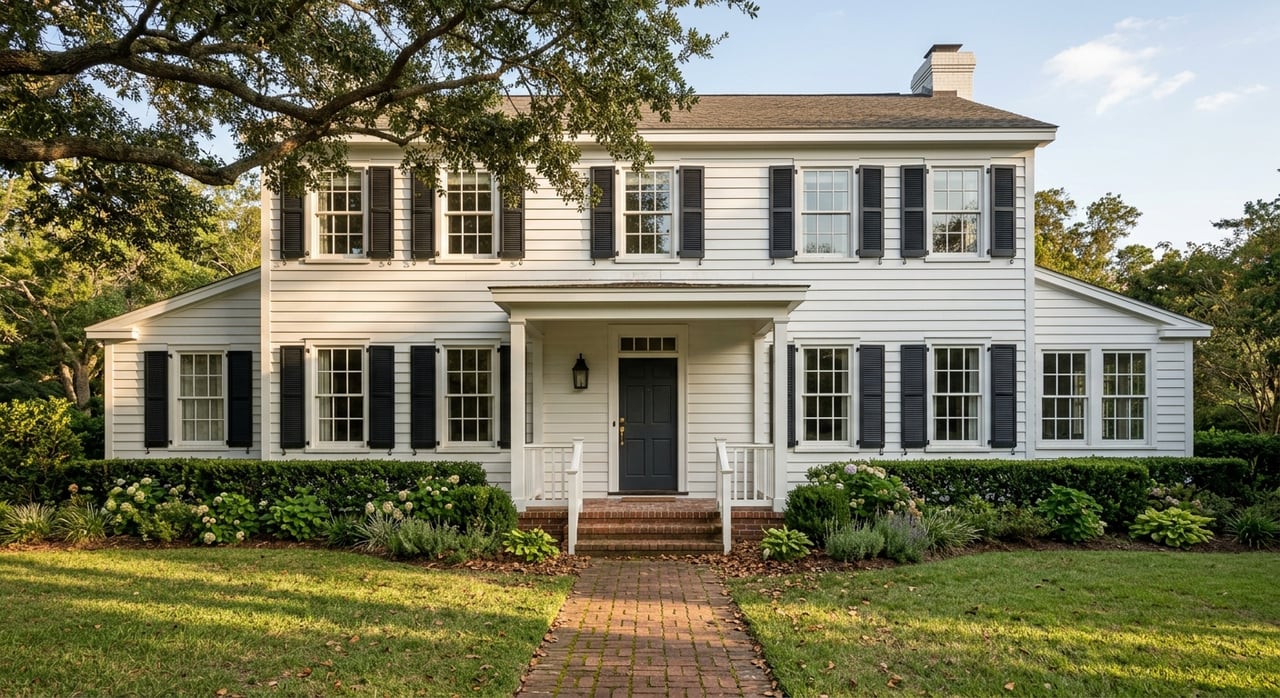
Charleston brings a different visual language. The city is closely associated with the Charleston single house, a narrow, one-room-wide home that runs deep into the lot and often includes a long rear garden. For buyers, that can mean more emphasis on architectural character, narrower lots, and historic charm.
If you are moving from Boston, this can be exciting, but it also changes what “space” looks like. More square footage or outdoor space may show up in different ways than you expect. The layout, lot shape, and age of the home can play a bigger role in your daily experience than simple bedroom and bathroom counts.
Both Boston and Charleston have preservation-minded areas, but Charleston’s historic review process is especially visible for certain properties. The city’s Board of Architectural Review regulates historic properties and older structures in applicable areas. That means exterior changes may involve more oversight than some buyers expect.
For the right buyer, this is part of Charleston’s appeal. Protected character helps preserve the look and feel of older streetscapes. Still, if you are hoping to renovate or make exterior changes, it is smart to understand the approval process early.
Charleston’s average commute time is 24.2 minutes, compared with 30.3 minutes in Boston. On paper, that sounds like a clear improvement. In real life, the more meaningful shift may be how you move through the day.
Boston’s density supports a compact urban rhythm. Charleston’s lower density usually means more driving, even if the trip itself is not especially long. Work, groceries, dining, appointments, and recreation may all be more spread out than they are in Boston.
For some people, that feels easier and less pressured. For others, it takes adjustment. If you value walkability and a close-together city pattern, this is one of the biggest lifestyle differences to think through honestly.
If you work from home full time or part time, Charleston compares well on basic connectivity. Household broadband subscription rates are 92.0% in Boston and 92.8% in Charleston. That suggests remote professionals can function well in either city from an internet access standpoint.
The bigger question for many remote buyers is not whether you can work online. It is how you want your day to feel outside work hours. Charleston may offer a different pace, more room between destinations, and easier access to outdoor living during much of the year.
For many movers, the financial case for Charleston starts with housing. The Census reports a median owner-occupied home value of $731,700 in Boston versus $509,700 in Charleston. Median monthly mortgage cost is also lower in Charleston at $2,253, compared with $2,986 in Boston.
Renters see a gap, too. Median gross rent is $2,147 in Boston and $1,722 in Charleston. Boston households do report a somewhat higher median income, at $97,344 versus $92,414 in Charleston, but that does not erase the difference in housing costs.
In plain terms, Charleston tends to offer more housing value per dollar. That can open different options for buyers who want more space, more character, or a lower entry point. At the same time, it is important to balance sticker price with the realities of coastal upkeep, flood-zone review, and storm readiness.
Another useful indicator is owner occupancy. Boston’s owner-occupied housing rate is 35.7%, while Charleston’s is 55.6%. That suggests Charleston operates as a more ownership-oriented market, while Boston remains more renter-heavy.
For buyers relocating from Boston, that can affect the feel of your search. You may encounter more neighborhoods where ownership is a stronger part of the housing pattern. It can also shape expectations around long-term home maintenance, community stability, and resale strategy.
Every relocation involves a tradeoff, and this one is fairly clear. Boston offers density, compactness, familiar winter-hardened infrastructure, and housing types built around close urban living. Charleston offers milder winters, lower housing costs, historic Lowcountry character, and a more spacious physical layout.
The tradeoff is that Charleston also brings hotter summers, more humidity, more driving, and a stronger need for flood and storm awareness. Neither city is “better” in a universal sense. The better fit depends on how you want your home, budget, and daily routine to work together.
If you are weighing a move from Boston to Charleston, the smartest next step is to compare not just price, but lifestyle fit. Your ideal move should reflect how you actually live, not just what looks good on paper.
If you are planning a relocation and want a clear, financially grounded strategy before you make your next move, Livingston Group can help you evaluate timing, goals, and property options with a high-touch approach.
Stay up to date on the latest real estate trends.