Your South End Boston Neighborhood Guide to Daily Life
March 24, 2026
March 24, 2026
Picture leafy streets lined with brick brownstones, a café on nearly every corner, and small parks tucked into the grid like green rooms. If you are weighing a move to Boston’s South End, you probably want an authentic urban feel with easy daily routines. In this guide, you will get a clear look at housing, lifestyle, parks, dining, arts, and how you get around, so you can decide if it fits your day to day. Let’s dive in.
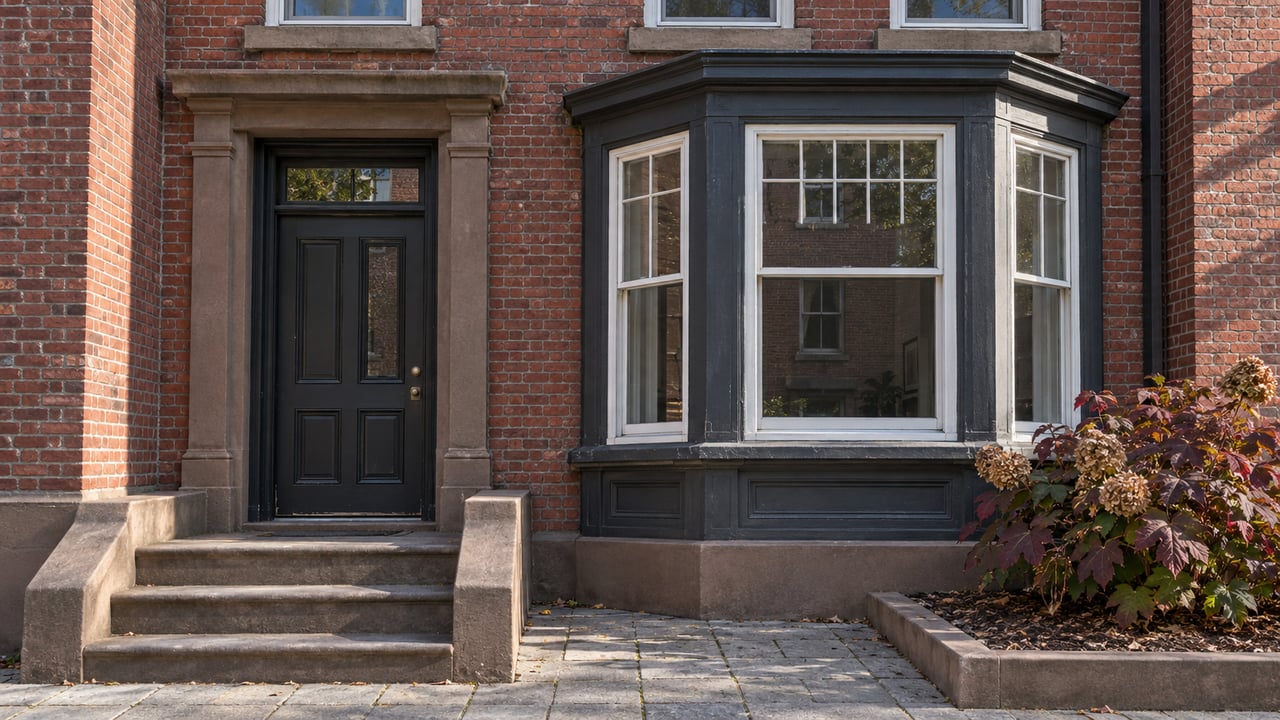
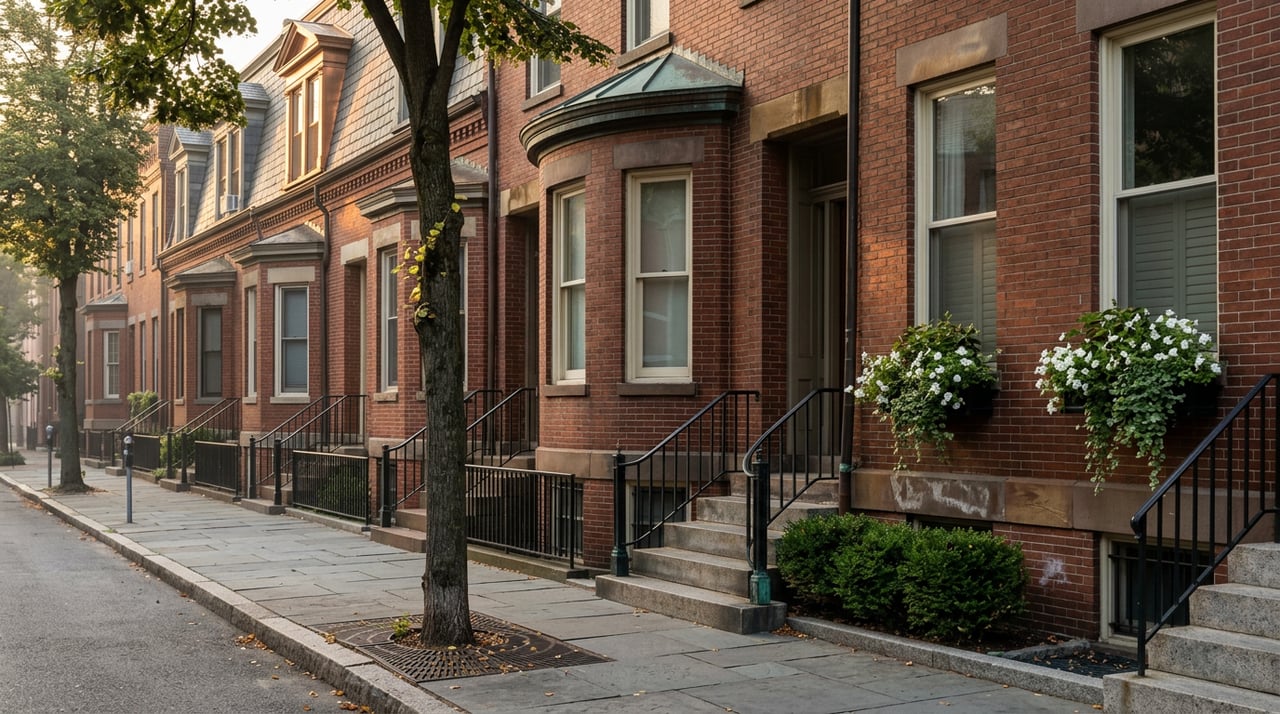
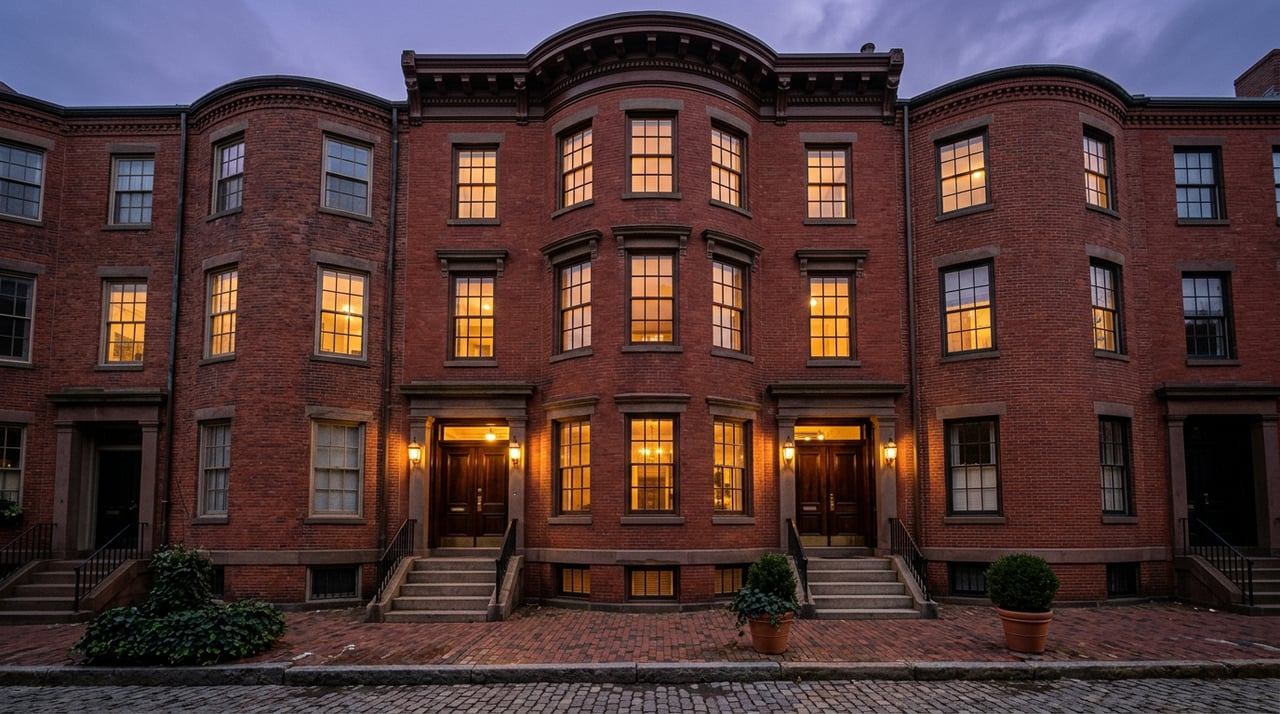
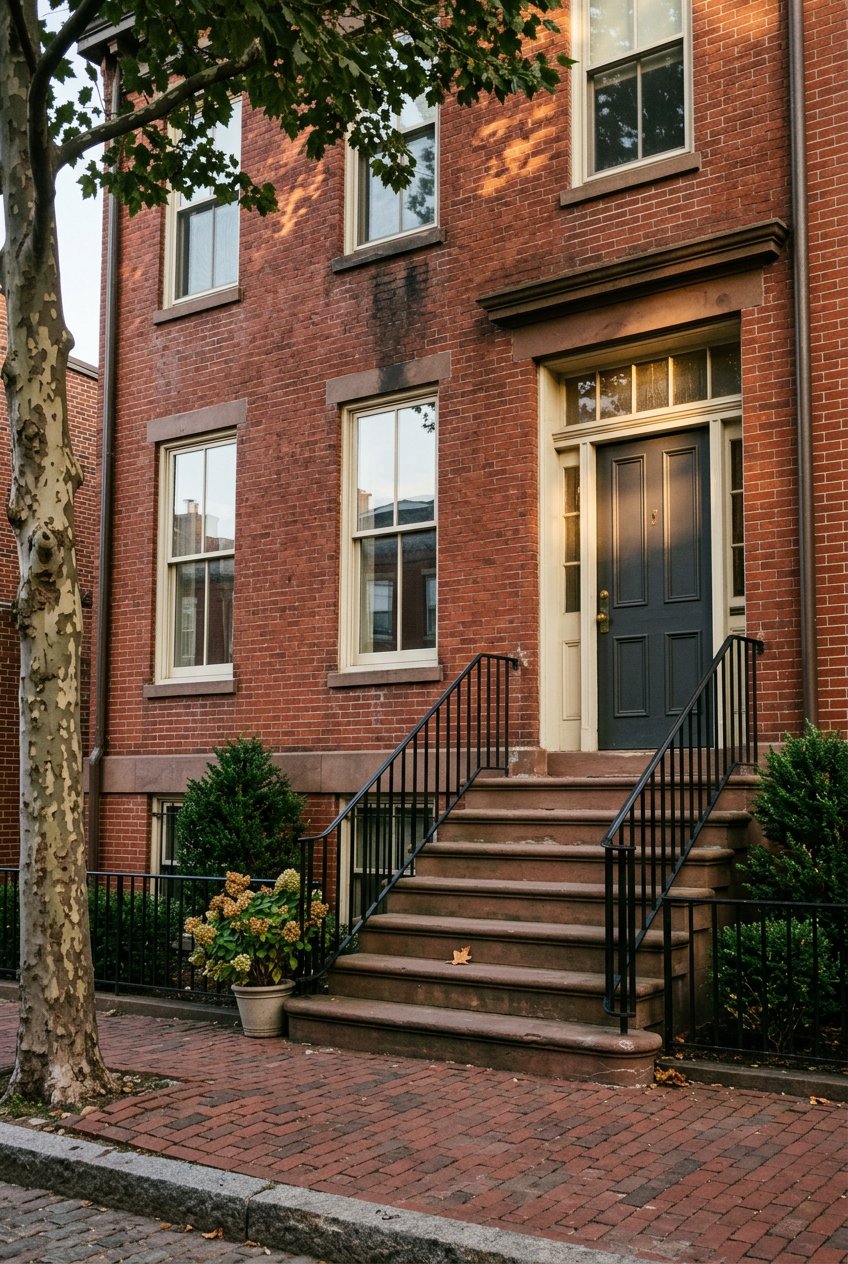
The South End sits just south of Back Bay and north of the Boston Medical Center campus. It was built in the mid‑19th century on filled land and planned as a regular grid of elegant townhouses with small neighborhood squares. Today, the neighborhood is known for Victorian brick rowhouses, short blocks of shops along Tremont and Washington Streets, and converted warehouse blocks in SoWa.
City planners describe the South End as the largest preserved Victorian residential district in the country. Many streets retain original 19th‑century bow‑front facades, ironwork, and stoops, and the area holds local landmark protections that help preserve the look and feel of the streetscape. If you plan exterior work, you will want to understand these guidelines early. You can explore the neighborhood profile on the Boston Planning & Development Agency’s overview of the South End for context and map details.
If you want a place where most errands happen on foot, the South End shines. Walk Score rates it a Walker’s Paradise with a score around 97, and transit and bike access are strong as well. You can move from quiet residential blocks to busier restaurant corridors within a few minutes.
Mornings start with bakery lines and dog walkers on brownstone blocks. Lunch hours pick up near offices and medical buildings. Evenings gather along Tremont and Washington Streets, with neighborhood bistros, chef‑driven spots, and casual cafés. On weekends, SoWa’s markets and galleries add steady energy.
The South End trades big lawns for many small, well‑used parks. You will find Peters Park, Union Park Street Playground, Ringgold Park, Titus Sparrow Park, Rotch Playground, and others woven between residential blocks. These green spaces support short play breaks, dog walks, community events, and meetups. If you want a longer run or bike ride, the Southwest Corridor Park along the Orange Line edge offers a linear greenway that many residents use for commuting and exercise.
The SoWa Art + Design District concentrates galleries, artist studios, design showrooms, and seasonal markets in converted warehouses south of Washington Street. That creative mix helps draw younger buyers, design professionals, and weekend explorers. The SoWa Open Market is a popular seasonal draw, and local reporting notes crowds can reach into the low thousands on peak Sundays.
On Tremont Street, the Boston Center for the Arts serves as a neighborhood hub with the historic Cyclorama, small theaters, galleries, and studios. You can expect rotating exhibitions, performances, and community programming throughout the year. As with many creative districts, SoWa has evolved over time, which local outlets have covered as part of a broader conversation about authenticity and development.
The South End is one of Boston’s densest dining neighborhoods. You will find casual cafés, bakeries, small‑plates spots, and destination restaurants clustered along Tremont, Washington, and parts of Shawmut and Columbus. Walking to brunch, a gallery, and dinner in a single loop is common.
A few neighborhood anchors help set the scene. For example, Myers + Chang on Washington Street has long been a go‑to for Asian small plates and a lively atmosphere. On weekday mornings and weekend strolls, neighborhood bakeries and coffee bars are steady gathering spots.
What you will see on the market reflects the neighborhood’s historic roots and newer infill:
Recent listing‑market aggregates show median listing prices in the low to mid seven figures, with a common neighborhood benchmark around 1.25 million dollars. Median asking rents often fall in the upper three thousand to about four thousand dollars per month. At the entry point, smaller studio or efficiency condos in older buildings have sold in the mid hundreds to low five hundreds. At the high end, renovated multi‑bedroom brownstones and new‑construction penthouses can reach several million. Treat these as orientation numbers and verify live comparables before you buy.
Many South End residents live car‑optional. The neighborhood’s walkability and transit access make daily commutes straightforward. You can tap nearby Orange and Green Line connections at Back Bay and Ruggles, use the Silver Line and multiple bus routes, and pick up Bluebikes for short hops. The Southwest Corridor also supports comfortable bike commuting.
As with any city, MBTA maintenance can change schedules, so it helps to check current service when you plan your routine. Ruggles Station’s recent expansion work provides useful context for how this hub ties into the network.
Public planning snapshots show a highly educated population, with a majority of adults holding at least a bachelor’s degree. The neighborhood also reflects a multilingual community, with languages such as Spanish and Chinese among those commonly spoken at home. Zip‑level data for 02118 places median household income above the Boston city median in recent American Community Survey periods.
Inventory and pricing
Historic and HOA considerations
Parking and storage
Noise and events
Buyer checklist for due diligence
Review condo docs, reserves, and planned assessments.
Ask for the age and condition of roof, masonry, and systems.
Confirm any historic‑district guidelines that affect your plans.
Verify parking arrangements and storage.
Pull a building‑level comp set for similar finish level and outdoor space.
Helpful references: BPDA South End overview, SoWa Open Market context
If you want classic Boston architecture, many small parks, a lively arts scene, and a dining district you can walk to, the South End delivers. It is also a premium market, so planning your budget and must‑haves early will help you act with confidence. With the right strategy, you can find anything from a compact starter condo to a renovated brownstone or a modern loft.
Ready to map your options, compare buildings, or prep a sale in today’s market? Schedule a complimentary strategy consultation with the Livingston Group. Our boutique, data‑driven team combines local insight with Compass tools to help you move forward with clarity.
Stay up to date on the latest real estate trends.