Is the Boston South Shore Lifestyle Right for You?
April 16, 2026
April 16, 2026
Thinking about leaving Boston without giving up the lifestyle perks that make this region so appealing? If the South Shore is on your radar, you are not alone. For many buyers, it offers a compelling mix of shoreline access, open space, historic town centers, and a slower day-to-day rhythm, but it is not a one-size-fits-all move. This guide will help you compare what the South Shore really offers, how it stacks up on housing and commuting, and which towns may fit your priorities best. Let’s dive in.
The South Shore is not a single town or a single lifestyle. According to the Massachusetts Coastal Zone Management South Shore region, it includes Cohasset, Duxbury, Hanover, Hingham, Hull, Kingston, Marshfield, Norwell, Pembroke, Plymouth, and Scituate.
That matters because your experience can vary a lot from one town to the next. Some communities feel more commuter-friendly and closely tied to Boston, while others offer a more spread-out, car-oriented coastal lifestyle.
For many Boston-area buyers, the South Shore checks boxes that can be hard to find in the city. You may be looking for more living space, easier access to the water, or a less urban routine without moving too far from Greater Boston.
The region is especially attractive if you value three things: coastal settings, outdoor space, and established town character. Those themes show up again and again across official town planning materials and community profiles.
If being near the water is part of your next chapter, the South Shore has real appeal. Hingham notes that it has 21 miles of shoreline, and downtown Hingham sits near Hingham Harbor and Bathing Beach.
Further south, Plymouth operates five waterfront areas, including Plymouth Beach and White Horse Beach. That kind of access can shape your everyday lifestyle, whether you want harbor views, beach time, or simply a stronger connection to the coast.
The South Shore also appeals to buyers who want more room to breathe. Hingham highlights outdoor assets like Wompatuck State Park, World's End, and Bare Cove Park.
In Norwell, the town's 2025 housing plan says nearly 19% of the town's land is permanently protected. In Plymouth, official materials tied to Redbrook say more than 1,600 acres will be preserved, including over 1,000 acres of forest, plus trails, ponds, and kayak launches.
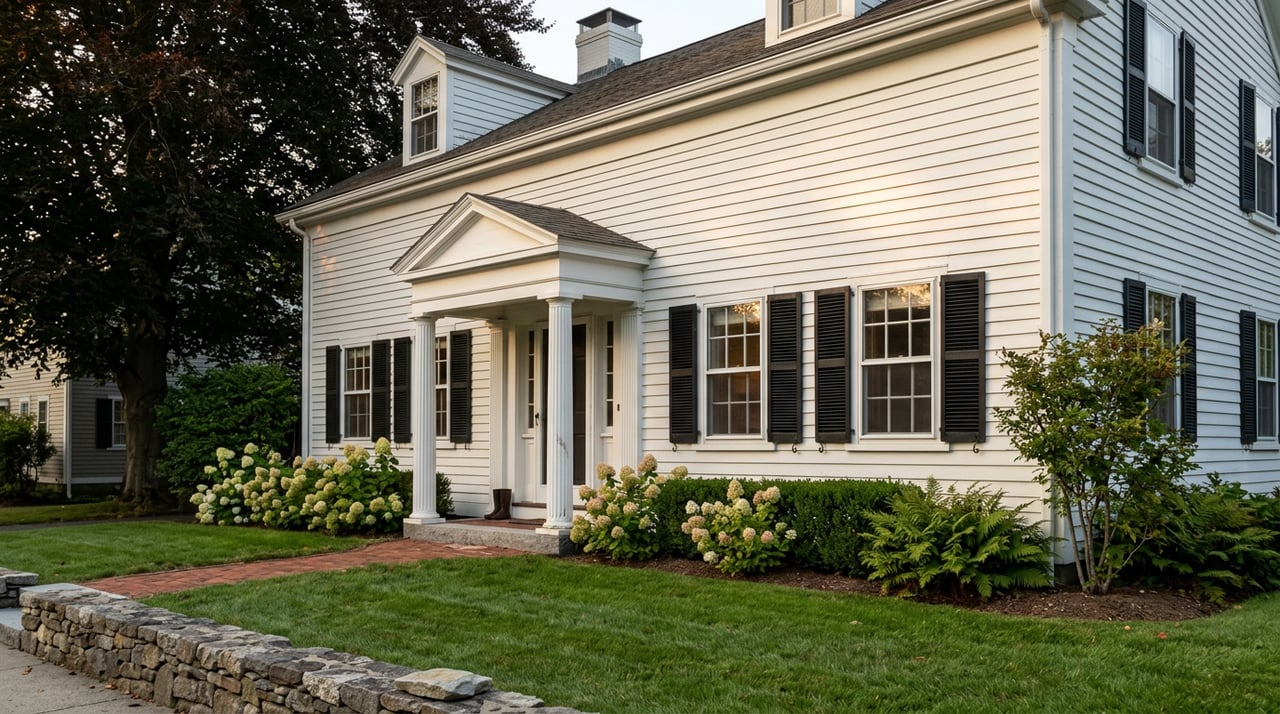
If you want a New England setting with a sense of place, several South Shore towns deliver that in different ways. Hingham points to its historic districts and antique houses, while Plymouth's center and waterfront master plan describes a walkable downtown with historic landmarks and a waterfront-oriented core.
That does not mean every town feels the same. It means the broader South Shore often attracts buyers who want a community with visible history, established streetscapes, and a more traditional town feel.
Not always, and this is one of the biggest misconceptions buyers should clear up early. Moving south of Boston may give you more space or a different lifestyle, but it does not automatically mean a lower price point.
Current market data in the research sample shows a wide spread. Some South Shore towns are priced well above Boston, while others come in closer to the city.
Here is a quick look at the pricing examples from the research report:
| Town | Median Sale Price | What It Suggests |
|---|---|---|
| Hingham | $1.796M | Premium coastal-suburban market |
| Norwell | $1.27M | High-end single-family market |
| Plymouth | $730K | Lower entry point in this sample |
| Boston | $813K | City benchmark for comparison |
Hingham's median sale price in February 2026 was $1.796M. Norwell's median sale price in January 2026 was $1.27M. Plymouth's median sale price in February 2026 was $730K, compared with Boston's $813K in the same period.
The takeaway is simple: if your goal is to lower your purchase price, the specific town matters more than the regional label. If your goal is to gain space, shoreline access, or a different pace of life, the value equation may still make sense even when prices are not lower.
Housing stock is another area where the South Shore varies more than many buyers expect. Some towns remain heavily single-family, while others are adding more varied housing types in targeted areas.
That difference can affect both affordability and fit. If you want a detached home on a larger lot, some towns may align naturally. If you want a condo or a more flexible low-maintenance option, your shortlist may look different.
Hingham continues to skew strongly toward detached homes. The town's housing plan says single-family homes accounted for about 69.5% of units in 2017, while attached housing expanded more through Shipyard and smaller condo developments.
For you, that may mean a strong match if you want a classic suburban housing pattern with some condo inventory mixed in. It may be less ideal if your top priority is broad multifamily or entry-level attached housing choice.
Norwell offers an even more traditional low-density housing pattern. Its 2025 housing plan says the condo market is relatively small, with only 214 condo units in the town assessor data.
That supports Norwell's appeal for buyers who want privacy, owner-occupied housing, and a more classic single-family setting. It also means your options may be narrower if you are searching for attached housing or a highly walkable, lower-maintenance setup.
Among the examples in the research, Plymouth shows the most variety. The town's zoning bylaw includes a multifamily overlay district designed to create a wider range of housing sizes and types in walkable, already developed areas such as Cordage, Home Depot Drive, Plaza Way, and Pinehills.
That makes Plymouth especially worth a closer look if you want more options. It may offer a better mix for buyers considering condos, attached housing, or a broader range of price points and layouts.
Lifestyle fit is not just about the house. It is also about how your daily routine works once the move is done.
If you work in Boston or regularly head into the city, commute patterns should be part of your decision from the start. Transit access is not equal across the South Shore.
Of the towns highlighted in the research, Hingham appears to be the most transit-connected. The town says it is about 14 miles south of Boston and offers two commuter rail stations plus commuter boat service.
Its housing plan also notes that rail and ferry access, along with walkable amenities, help make the town attractive to younger households. If your move depends on maintaining easier city access, Hingham may stand out.
Norwell can still work for commuters, but the routine looks different. Its housing plan says residents can reach commuter rail stations in neighboring towns, but generally need a car or ride service because there is no bus service to those stations.
The same plan also notes the town lacks public sewer service, which helps explain its lower-density development pattern. For many buyers, that tradeoff supports privacy and space, but it also reinforces a more car-oriented lifestyle.
Plymouth offers a different kind of value, but convenience to Boston is not the headline. The town maintains more than 300 miles of roads across 103 square miles, and current conditions are less rail-dependent than some buyers may expect.
MassGIS notes the former Plymouth commuter rail station was removed because it is closed, and Plymouth Park and Ride points riders toward commuter bus and Logan Express service. If you are considering Plymouth, it helps to be realistic about a more spread-out, driving-based daily routine.
A good move is not just about finding a home. It is about matching your priorities to the right place.
Based on the research, here is a simple way to think about fit among the featured towns.
Hingham may be the right fit if you want stronger transit options, harbor access, and a polished coastal-suburban feel. It can be especially appealing if you are leaving Boston but still want meaningful connections back to the city.
You should also be prepared for a premium price point. In this sample, Hingham sits well above Boston's median sale price.
Norwell may fit best if your priorities center on open space, privacy, and a traditional single-family setting. It can appeal to buyers who are comfortable building daily life around driving and who prefer a quieter, low-density environment.
It is important to note, though, that quieter does not mean less expensive. Norwell remains a premium market in the research sample.
Plymouth may be a strong match if you want beaches, a historic downtown and waterfront, and more housing variety. It also stands out if you are looking for a lower median price point than some other South Shore towns in the sample.
The tradeoff is a more car-centric routine and less rail convenience. For some buyers, that is an easy compromise. For others, it is a deal-breaker.
If you are weighing Boston against the South Shore, start by ranking your priorities before you fall in love with a listing. The right answer often becomes clearer when you decide what matters most in your day-to-day life.
Ask yourself:
These questions can quickly narrow the field. They can also help you avoid comparing towns that serve very different needs.
The South Shore can be a great fit if you want coastal access, more space, and a less urban rhythm, but it is not automatically a bargain and it is not uniform from town to town. Hingham, Norwell, and Plymouth each offer a distinct combination of housing, commuting, and lifestyle tradeoffs.
If you are planning a move from Boston or relocating into the area, the best next step is a town-by-town strategy based on your budget, commute, and home goals. The Livingston Group offers high-touch guidance for buyers who want clear local insight, thoughtful comparisons, and a confident plan for the next move. If you are ready to explore your options, schedule a complimentary strategy consultation.
Stay up to date on the latest real estate trends.