South End Boston Condo Guide: Choosing the Right Fit
March 5, 2026
March 5, 2026
Torn between a sleek South End condo and the charm of a brownstone? You are not alone. Both options sit on some of Boston’s most beautiful blocks, but they live very differently day to day. In this guide, you will learn how each choice stacks up on layout, costs, maintenance, financing, resale, and what to inspect before you commit. Let’s dive in.
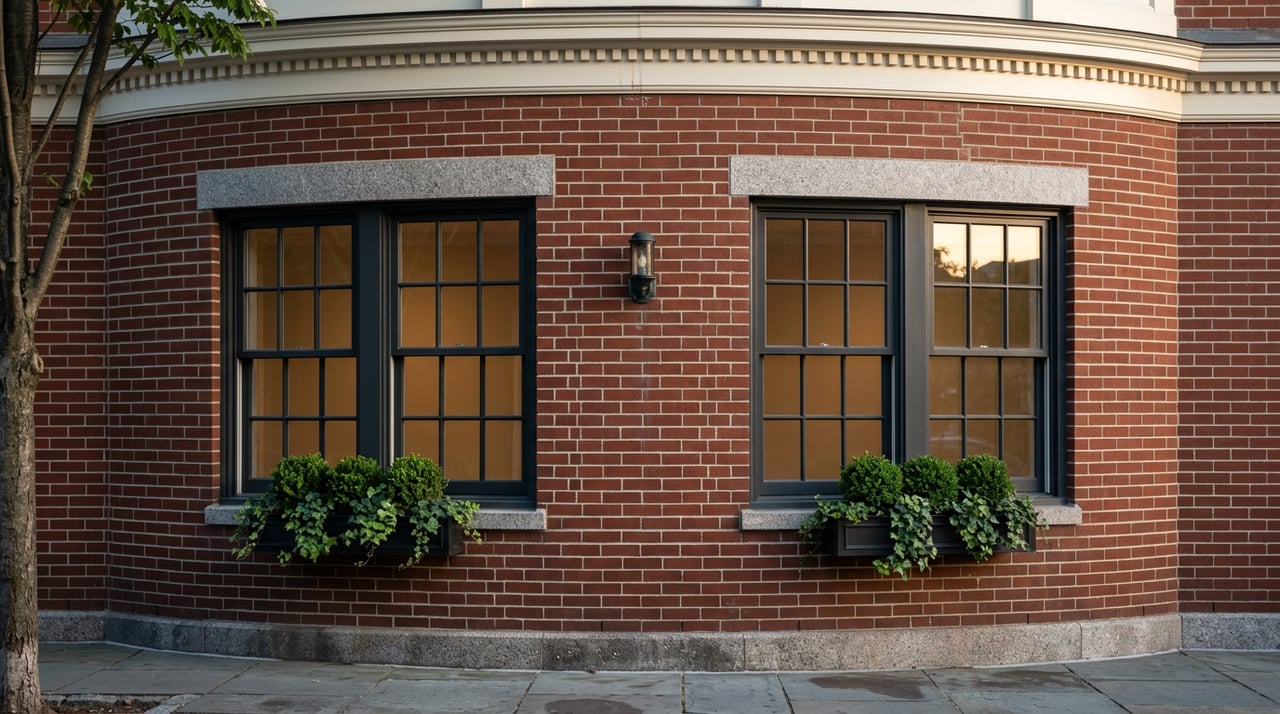
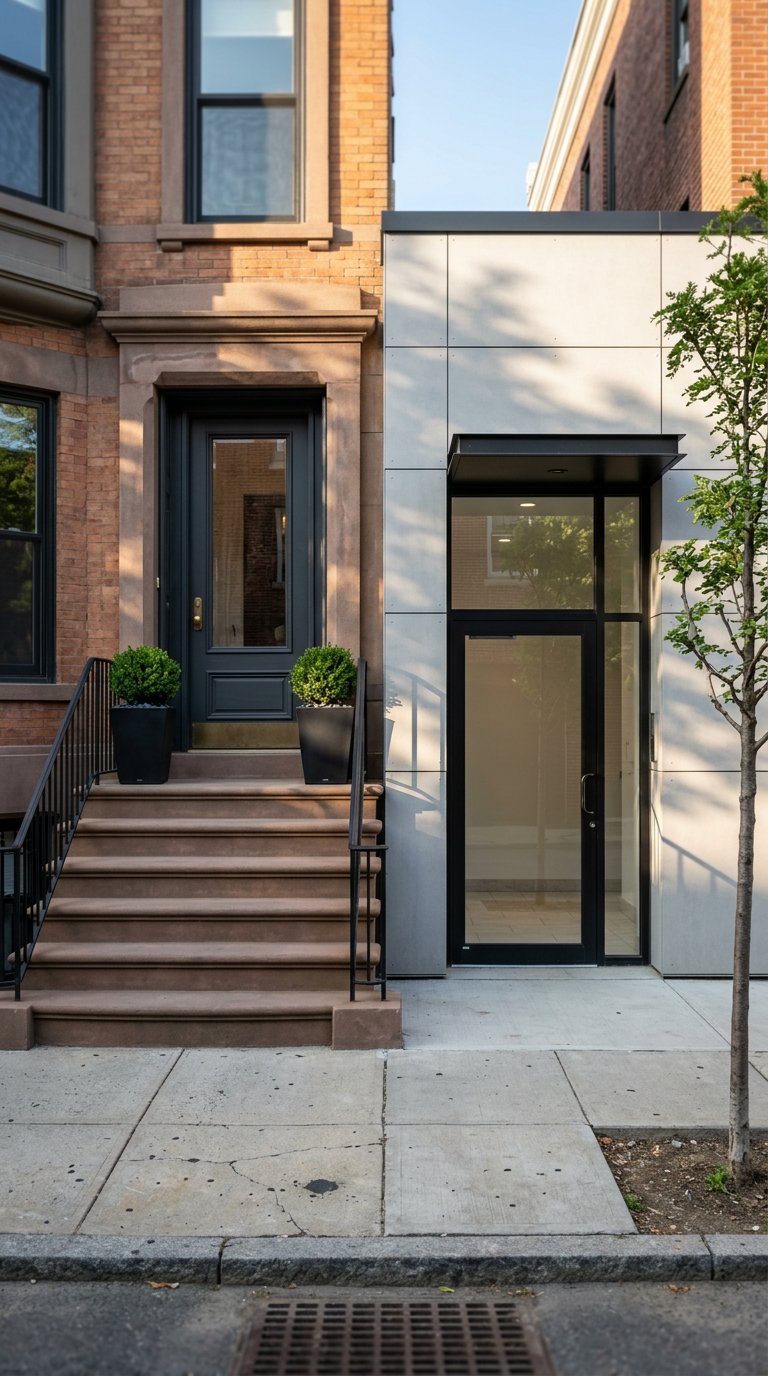
The South End blends classic 19th‑century rowhouses with modern mid‑rise condos and loft conversions. Many streets fall within a protected historic district, which preserves the neighborhood’s distinctive brick facades, bow fronts, and stoops. For a quick overview of the area’s historic significance, review the South End’s listing on the National Register and landmark context on LivingPlaces.
You will see three common home types as you shop: classic brownstones or townhouses, condos carved from those same rowhouses, and newer purpose‑built buildings with elevators and amenities. Local guides highlight the South End’s Victorian character and vertical living style that appeals to many buyers seeking authenticity and space in the city, as covered by WBUR’s field guide to the South End. If you plan exterior changes, remember much of the area sits inside the South End Landmark District, which means design review for many facade and rooftop alterations.
Price varies by block, size, parking, outdoor space, finishes, and building type. In general, South End condos span from the mid six figures into the low seven figures depending on size, building age, and amenities. Whole brownstones or fully restored townhouses often trade at a premium when available, with prices driven by width, condition, private outdoor space, and parking.
Public market snapshots differ by source and date, and they can swing by season and price tier. Work with your agent to pull fresh MLS comps for the exact block and building type you want. That way, you are weighing apples to apples before you write an offer.
When you buy a condo, you share responsibility for the building through a homeowners association. Monthly fees typically cover items like master insurance, common area maintenance, reserves for capital projects, and sometimes bundled utilities or services. Fees in Boston vary widely, from modest amounts in small walk‑ups to four figures in full‑service buildings with amenities, as outlined in this overview of what HOA fees pay for.
In Massachusetts, condos operate under the state Condominium Act. You should review the master deed, bylaws, budget and reserves, recent meeting minutes, and any planned assessments as part of due diligence. State guidance for buyers and licensees emphasizes getting the resale packet and current financials early. See the Commonwealth’s summary on condominiums, cooperatives, and timeshares.
Owning a brownstone gives you more control and privacy, but you shoulder exterior and system upkeep yourself. Expect periodic masonry repointing, roof and cornice work, and system upgrades over time. Matching historic materials often costs more, so plan your budget with a long view.
No matter what you choose, property taxes are part of your carrying costs. The City of Boston sets annual rates and updates exemptions each fiscal year, including the residential exemption and any CPA surcharge. Review how the city calculates taxes on Boston’s official page on how we tax your property.
Financing for condos involves two layers: you as the borrower and the building as a project. Lenders and secondary market investors use Fannie Mae’s project standards to evaluate reserves, owner‑occupancy, litigation, and commercial space within the building. Projects that fall short can limit loan options for future buyers, which affects liquidity and resale. Learn what lenders review in Fannie Mae’s condo project full review process.
If you or your future buyer may rely on FHA financing, check project approval early. FHA offers project-wide and single‑unit approval paths, and status can change. Start with HUD’s overview for partners on single-family FHA information.
Financeable condos in well‑run buildings usually attract a broad buyer pool that includes first‑time buyers, downsizers, and investors. Brownstones tend to appeal to owner‑occupants who want architectural character and more control. The buyer pool can be narrower for multi‑level layouts, but standout features like a private garden, roof deck, or top-to-bottom restoration can drive strong demand, a pattern echoed in WBUR’s South End overview.
Brownstones are older masonry buildings. Plan for cyclical repointing or tuckpointing, roof and flashing work, cornice and stoop repairs, moisture control in the garden level, and upgrades to plumbing, electrical, and heating systems. National repair guides show repointing costs can vary widely based on scope, illustrating why masonry is a major line item. See ranges in this overview of repointing and tuckpointing costs.
Pre‑1978 buildings may have lead paint, and older wiring or piping is not unusual. Renovations that disturb paint are subject to EPA lead‑safe rules, so plan for compliance and potential cost. Review the EPA’s guidance for agents on the Lead Renovation, Repair and Painting Program.
Condos shift exterior responsibilities to the association, which reduces your day‑to‑day burden. In return, you join a shared decision structure that must fund bigger projects on schedule. During your contingency, obtain the resale packet or certificate, budget, reserve study, insurance declarations, 12 to 24 months of minutes, and management contract. The Commonwealth’s page on condominiums outlines the key documents and records access.
Physically inspect the unit and common areas like the roof deck, garage, and mechanical rooms. Confirm what utilities the HOA covers, parking and storage rights, and any rental or short‑term rental rules.
If you own a brownstone or a condo in a rowhouse, exterior changes often need design approval. Window replacements, stoop repairs, and rooftop additions are common review subjects. Before you budget or schedule work, check your address and the process with the City’s South End Landmark District.
You deserve a clear, side‑by‑side view of the tradeoffs before you buy. Our team combines on‑the‑block knowledge of South End housing with disciplined due diligence. We help you source the right options, pressure‑test the budget through inspections and document review, and position your offer to win while protecting your long‑term resale.
Ready to compare real homes and numbers for your move? Schedule a complimentary strategy consultation with the Livingston Group to map your next steps.
Stay up to date on the latest real estate trends.