Are you wondering why some Providence listings fly off the market while others linger? You’re not alone. Between historic housing stock, condo conversions, and a seasonal rhythm, the Providence market rewards buyers and sellers who read the right signals. In this guide, you’ll learn how inventory, days on market, condo vs single-family dynamics, and timing shape your best move in Providence and Providence County. Let’s dive in.
Providence market drivers
Providence blends urban living, historic neighborhoods, and a growing downtown and waterfront scene. Major employers, universities, and hospitals draw steady demand, while limited developable land and historic district rules keep new single-family supply tight. This mix creates neighborhood-level differences that matter when you buy or sell.
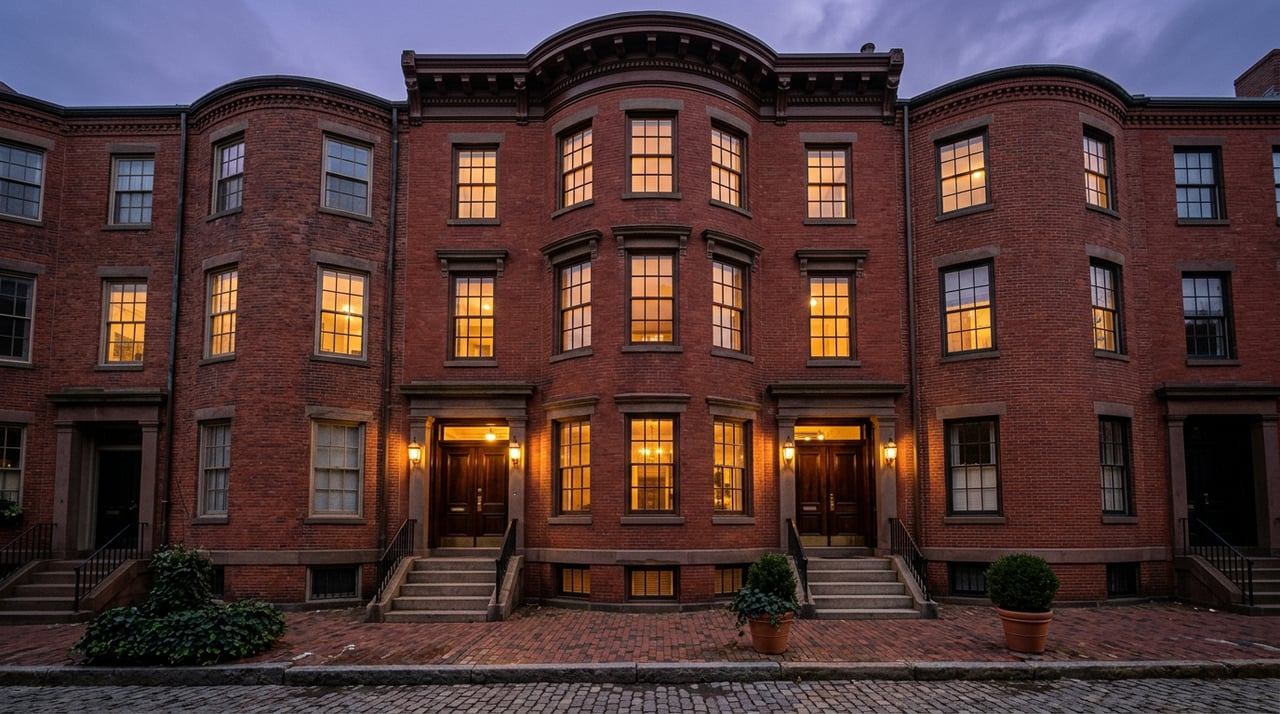
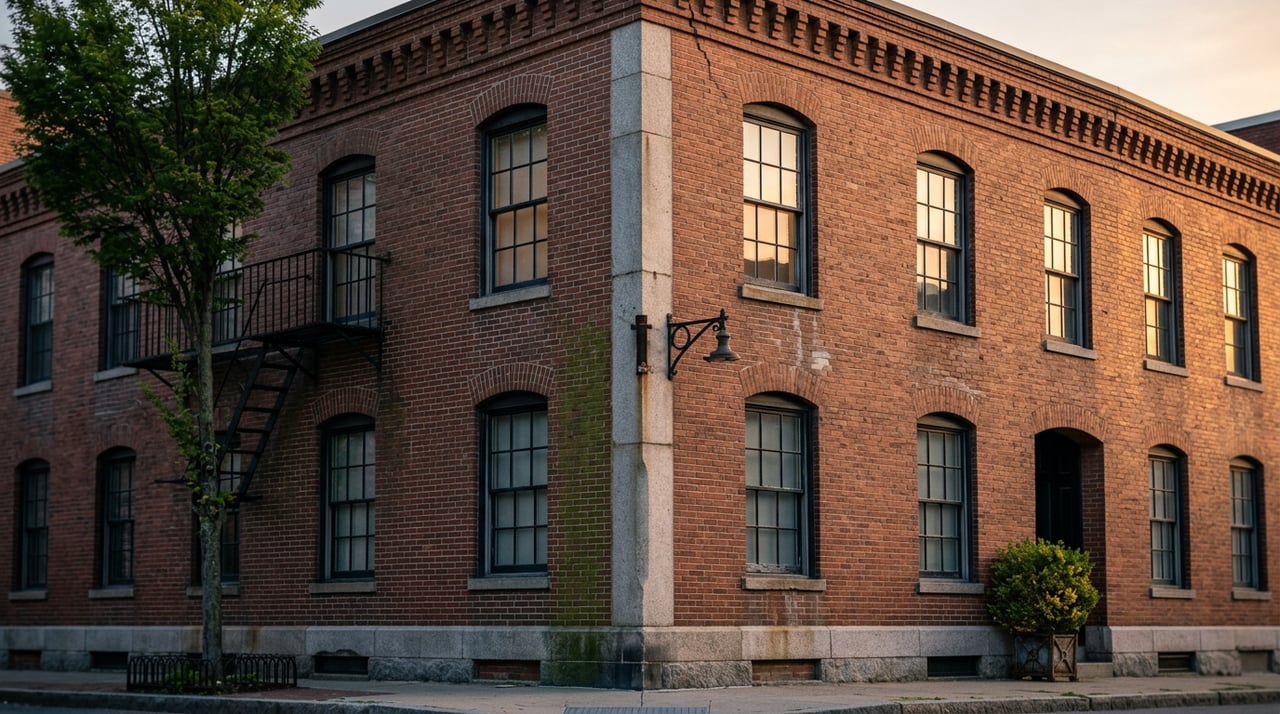
You’ll see distinct patterns by property type. Downtown, the Jewelry District, and parts of the West Side have more condos and conversions. The East Side features older single-family homes with historic character. Rental demand tied to universities supports investor interest and influences pricing, especially near Brown, RISD, and Johnson & Wales.
Local constraints also shape decisions. Floodplain exposure along rivers and coastal areas affects insurance and lending. City planning and redevelopment can add new condo and rental inventory, but single-family additions remain limited, preserving scarcity in some neighborhoods.
Inventory and days on market
Inventory tells you how many homes are available relative to demand. Months of supply under roughly 4 to 6 months often favors sellers; higher levels tilt toward buyers. Days on market (DOM) shows how quickly homes go under contract. Together, these metrics reveal market speed and negotiation pressure.
List-to-sale price ratio is another signal. When homes sell close to or above list price, sellers have leverage. When the ratio slips, buyers gain room to negotiate. Track these together with pending sales to understand near-term momentum.
How it plays out in Providence
- Downtown, Jewelry District, and West Side condos often move faster when new buildings or quality renovations hit the market. Condos with high HOA fees or deferred maintenance can sit longer.
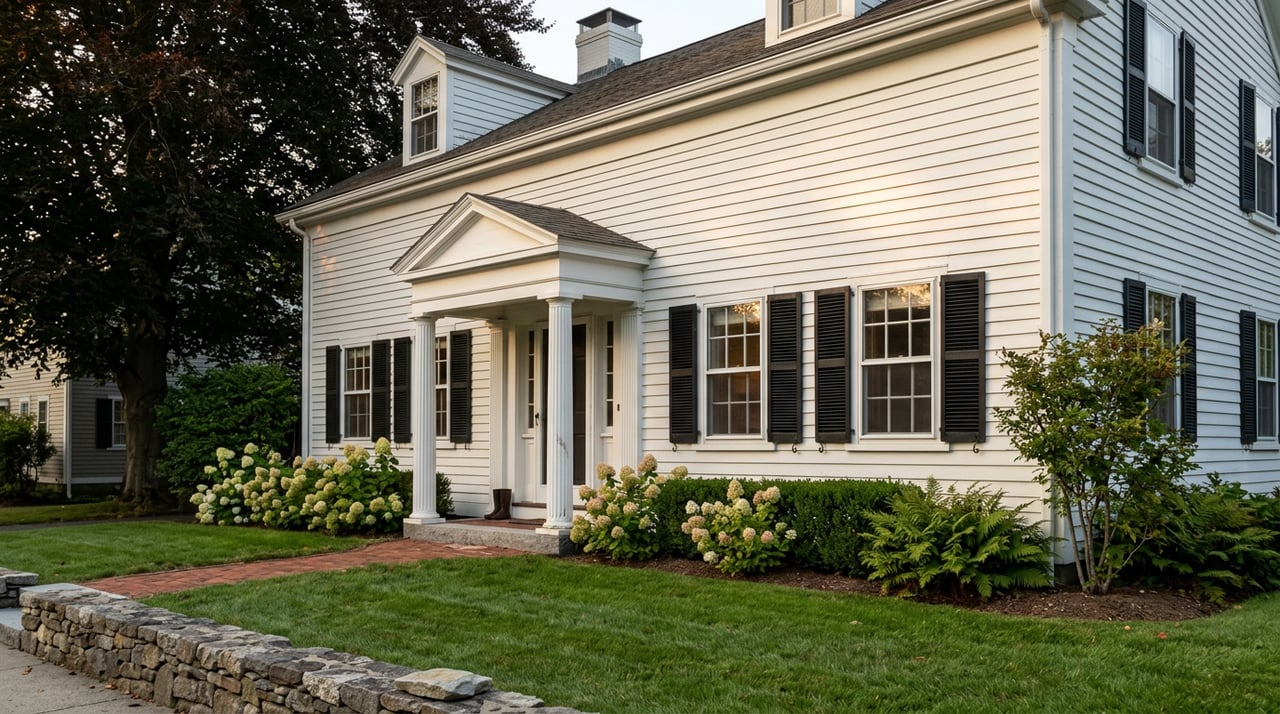
- East Side single-family homes in College Hill and Blackstone may take longer to sell due to unique features and a smaller buyer pool. They tend to hold value when well presented and priced to market.
- More affordable areas like Federal Hill and Olneyville can see quicker DOM for well-priced, updated homes, though condition and financing options create variability.
What to watch each month
- Active listings and months of supply for your segment and price band.
- New listings vs pending sales to gauge momentum over the next 8 to 12 weeks.
- Median price and price per square foot trendlines for both the city and county.
- DOM and the list-to-sale price ratio to estimate negotiation room.
Tip: Focus on changes over time, not a single data point. A rising months-of-supply trend signals more leverage for buyers; a drop suggests preparing for competitive offers.
Condo vs single-family: real tradeoffs
Condominiums and single-family homes in Providence follow different cost structures and buyer profiles. Understanding the full monthly cost and the way lenders view each property type will help you avoid surprises.
Who each option fits
- Condos: great for first-time buyers, downsizers, and investors who value convenience, smaller footprints, and proximity to downtown jobs and transit.
- Single-family homes: fit buyers seeking yards, privacy, or historic character. Many older homes deliver charm alongside systems that may need updates.
Cost differences to budget
- Condos include HOA fees. Lenders consider these dues in your monthly qualification. Review what the HOA covers, such as exterior maintenance, master insurance, and reserves.
- Single-family owners cover exterior upkeep directly, plus property taxes and homeowners insurance. Costs can be higher for properties in flood zones.
Financing and due diligence
- Condo financing can depend on project approvals and the building’s financial health. Some buyers choose cash for flexibility in competitive segments.
- Review HOA budgets, reserve studies, meeting minutes, and any special assessments. For older buildings, look for capital plans covering roofs, facades, and mechanical systems.
- For single-family homes, plan for inspections that focus on roofs, foundations, plumbing, electrical, and heating systems. Budget for near-term upgrades where needed.
Seasonality and timing
Providence follows a pronounced Northeast cycle. Spring through early summer brings more new listings and buyer activity, often peaking in May or June. You’ll see increased competition and shorter DOM during this window.
Late fall and winter usually bring fewer options and longer marketing times. Sellers who list in winter often do so for life-event reasons and may be more open to negotiation. University schedules can add movement in late spring and summer, especially in rental and condo segments.
Timing tips
- For sellers: Early spring maximizes exposure and urgency. If inventory is lean, a well-prepared winter listing can still capture motivated buyers with less competition.
- For buyers: Spring offers more selection but can mean bidding. Fall and winter may yield better terms, but you’ll have fewer homes to choose from. Have your pre-approval ready so you can move quickly when the right home appears.
Local factors that affect your move
Flood risk and insurance
Some waterfront or riverside parcels fall within FEMA floodplains. Lenders may require flood insurance, which adds to monthly costs. Ask your agent to identify any risk zones early and get quotes before you finalize an offer.
Property taxes and assessments
City tax policies and reassessments can change carrying costs. When comparing homes, use estimated taxes for the current year and verify homestead or other exemptions that may apply to your situation.
Development and zoning
Historic district guidelines can limit exterior changes, preserving character but adding review steps for renovations. Redevelopment along the waterfront and in former industrial areas can introduce new condo and rental inventory, which may shift pricing and absorption in nearby micro-markets.
Action plans by client type
If you’re buying in Providence
- Get pre-approved and discuss rate scenarios so you know your budget with confidence.
- Track months of supply, DOM, and pending sales for your target neighborhoods and property type.
- For condos, review HOA documents, reserves, special assessments, and building maintenance history.
- Check flood maps and obtain insurance quotes early if a property is near water.
- Use inspection periods to price out major systems and prioritize homes with strong fundamentals.
If you’re selling in Providence
- Price to current comparables for your segment. Align with the most recent months of supply and list-to-sale trends.
- Prepare the home: declutter, address deferred maintenance, and consider light updates that boost first impressions.
- Stage strategically and invest in professional marketing to highlight historic features or views.
- Time your listing with seasonality in mind. Spring can drive more traffic; winter can work if you stand out on price and presentation.
- Disclose known issues and provide documentation. Transparency builds trust and supports a firmer price.
Investors: what to know
Providence shows consistent rental demand near universities and downtown employment centers. Smaller condos and entry-level homes often attract investors, which can tighten inventory for owner-occupants and influence pricing. Evaluate HOA health, rental policies, and area vacancy rates. Cross-check rental comps, and model conservative cap rates given potential maintenance on older buildings.
Reading today’s signals, the right way
Since conditions change month to month, read trends together:
- If months of supply is low and DOM is falling, prepare for competitive offers and limited contingencies.
- If DOM lengthens and the list-to-sale ratio slips, negotiation room is likely improving.
- Divergence by type matters. Condos may trend differently than single-family homes, especially around new project deliveries or in buildings with rising HOA costs.
- Watch new listings versus pendings to anticipate the next 8 to 12 weeks of pricing pressure.
A steady, data-first approach will help you set the right expectations and act with confidence in Providence’s micro-markets.
Ready to talk strategy for your situation? Connect with the experienced, high-touch team at the Livingston Group to align timing, pricing, and preparation with today’s Providence market.
FAQs
Is Providence a buyer’s or seller’s market right now?
- It depends on property type and neighborhood; use months of supply, DOM, and list-to-sale ratios for your specific segment to judge leverage.
How do condos compare to single-family homes in Providence?
- Condos add HOA fees and may offer faster turnover downtown; single-family homes provide more space and character but can require more maintenance.
When is the best time to list a home in Providence?
- Early spring typically maximizes exposure, while winter can work with fewer competing listings if your pricing and presentation are strong.
How do mortgage rates impact my buying power in Providence?
- Higher rates reduce purchasing power and can slow demand; lower rates expand affordability and may increase competition for well-priced homes.
What should investors focus on in Providence?
- Review HOA health and rental policies for condos, verify rental comps and vacancy, and budget for maintenance, especially in older buildings.