Essential Back Bay Home Staging Tips for Sellers
February 19, 2026
February 19, 2026
Thinking about selling your Back Bay brownstone or condo in the next year? You know buyers here expect top-tier finishes, effortless building services, and the kind of presentation that turns a scroll into a showing. With a focused plan, you can check every box without derailing your timeline or budget. This guide walks you through timing, legal must-dos, high-ROI prep, staging and media, pricing, and a week-by-week launch plan so your home stands out for all the right reasons. Let’s dive in.
Back Bay buyers pay for location, finish quality, and convenience. If your home offers elevator access, a doorman or concierge, private or deeded parking, and outdoor space, highlight these up front. The right mix can shift buyer urgency and your final sale price.
Parking is a special case. In central Boston, deeded spaces can carry six-figure premiums, which makes a private spot a headline feature worth emphasizing in photography and copy. As recent coverage explains, parking can be a decisive factor in buyer decisions in neighborhoods like Back Bay and Beacon Hill. You can see that context in the Boston Globe’s review of parking premiums across the city here.
Buyer activity peaks in late winter and spring. If you want maximum foot traffic, aim for a late February to April launch and work backward to complete prep without rushing. A well-priced, well-presented listing can still perform in late fall or January when inventory is tight, but spring tends to offer the deepest buyer pool.
Coordinate contractors, staging, and photography with that window in mind. If you need time for condo documents or minor improvements, build in a buffer so you do not miss the early spring surge.
Massachusetts now requires sellers and agents to acknowledge a buyer’s right to a home inspection for sales occurring after October 15, 2025. You cannot condition a sale on a buyer waiving this right, and you should expect inspection-related timelines and negotiations. Review the state’s policy details from EOHLC and plan accordingly.
Many Back Bay brownstones predate 1978. Federal law requires you to provide the EPA pamphlet and disclose known lead-based paint hazards, with a 10-day period for buyers to conduct lead inspections unless otherwise agreed. Get the official guidance and pamphlet details from the EPA.
Back Bay is a local architectural district. Exterior work like masonry, window changes, railings, stoops, and lighting often requires review and approval before you start. Confirm what is allowed and how long approvals take using the City’s district page here.
Condo resales require an association-issued resale package that buyers and lenders review. These can take days to weeks depending on management, so order early to avoid delays. Learn what typical packets include from this guide.
Staging and cosmetic improvements can reduce days on market and lift perceived value. The National Association of Realtors reports that staged homes often sell faster and can see measurable increases in offers. You can review those findings in NAR’s latest staging report here.
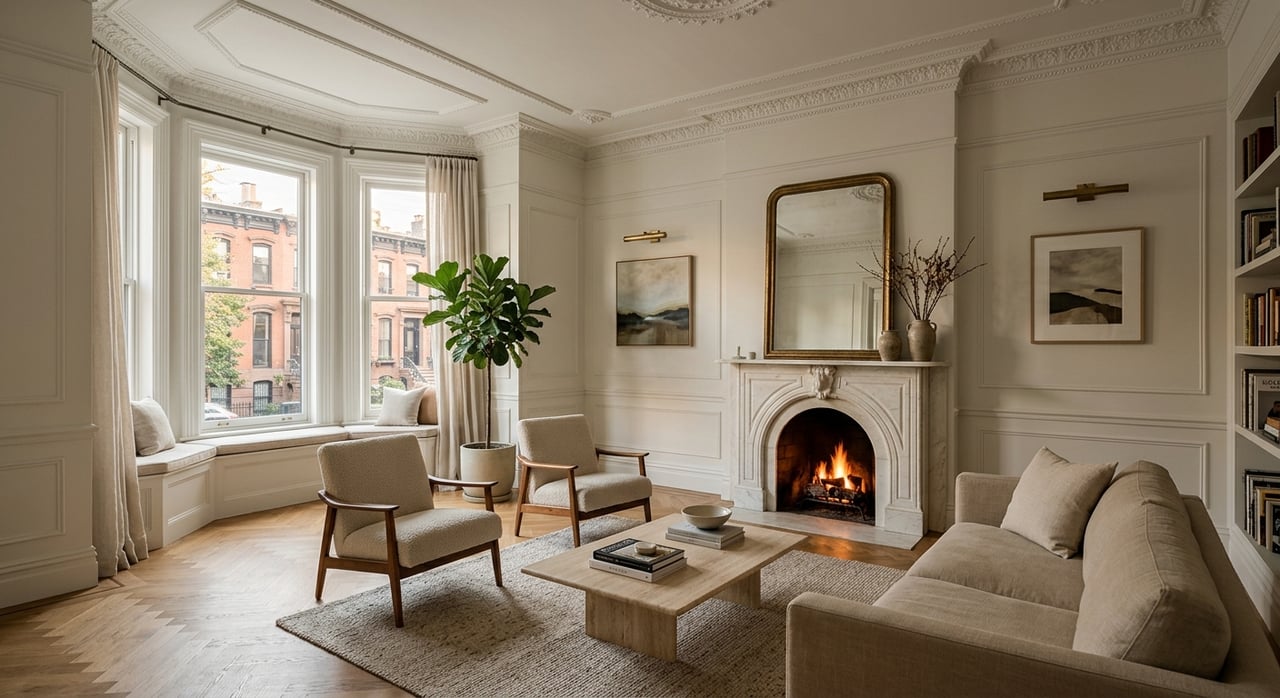
Preserve character details that Back Bay buyers appreciate, like moldings and mantels, while keeping finishes neutral and current. If your plan includes exterior adjustments, consult the City’s district guidance on what triggers review here.
If you want to make targeted upgrades without paying upfront, Compass Concierge can front the cost of eligible pre-sale work like painting, staging, minor renovations, floor refinishing, and photography. You repay at closing or listing termination, subject to program terms and local availability. Explore the program overview here, and ask us how timing and scope work in Back Bay.
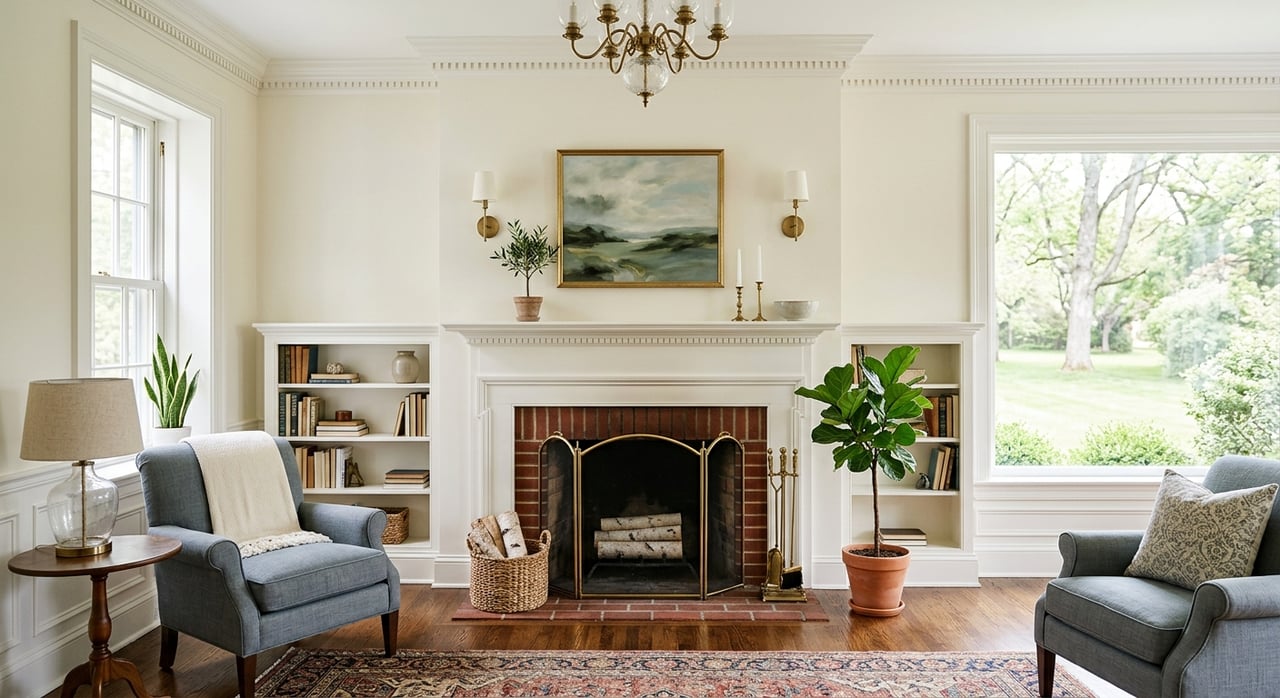
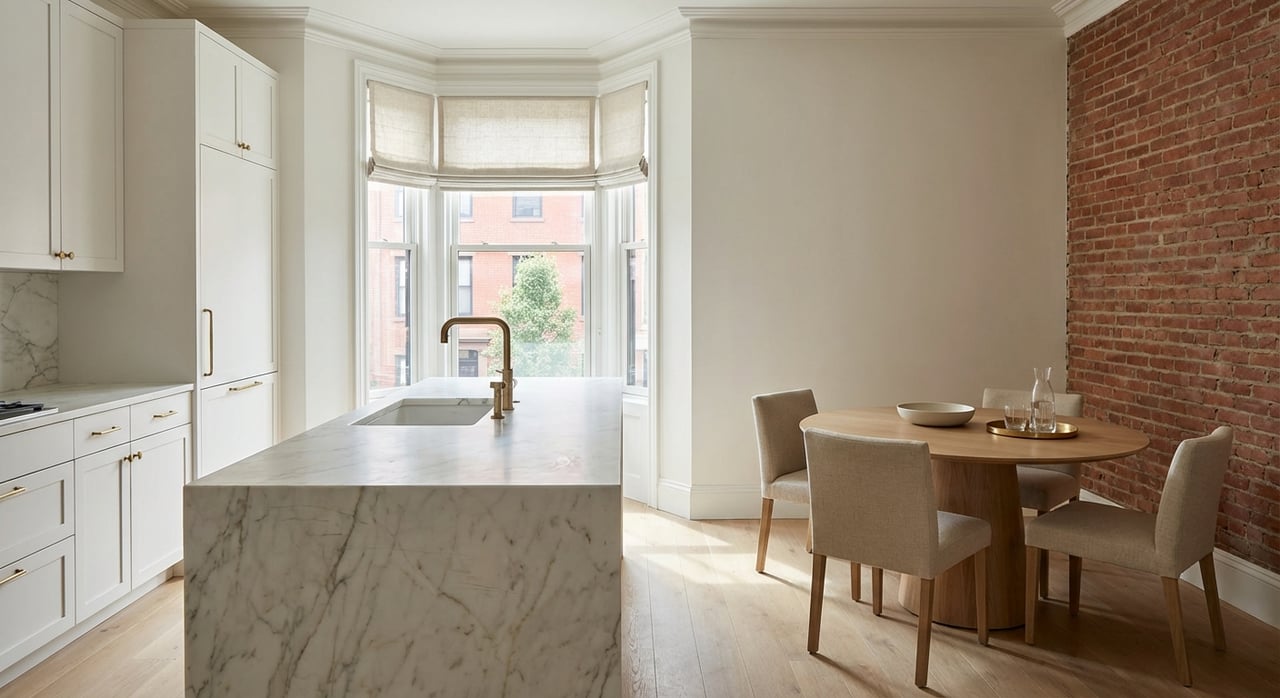
In Back Bay, staging a vacant condo or sparsely furnished brownstone level helps buyers understand scale, traffic flow, and how to live with period features. Living rooms and primary bedrooms are top priorities. NAR reports that agents commonly see faster sales and 1 to 10 percent lift in offers for staged homes in many instances, with results varying by market. See the national findings here.
Aerials can showcase proximity to the Esplanade, city views, or roof decks, but Boston has strict limits. Drones are prohibited in the Public Garden and Commonwealth Avenue Mall, and downtown airspace often requires FAA authorization and a Part 107 pilot. Review local park restrictions here, and only use certified operators who manage airspace approvals and insurance.
Brownstones and luxury condos require nuanced comparable selection. Adjust for floor level, elevator access, deeded parking, private outdoor space, building services, and recent renovations. When you frame pricing, pair hard comps with a clear lifestyle narrative that highlights premium differentiators like parking, terraces, and deeded storage.
For parking, use a distinct line item in your valuation story. As the Boston Globe notes, parking can carry substantial value in central neighborhoods, which means your final price and marketing should make that advantage impossible to miss. We combine a traditional comparative market analysis with Compass pricing tools like Lens to visualize buyer-perceived value from targeted improvements.
Budgets vary by size, condition, and building rules. Use these ranges as ballparks, then request local quotes.
A standout sale in Back Bay is equal parts strategy and execution. When you time your launch right, invest in targeted improvements, and present your home with premium media, you create urgency and give buyers fewer reasons to negotiate down. If you are weighing what to do first or how much to invest, we are happy to build a line-by-line plan around your goals and timeline.
Ready to put a proven plan behind your Back Bay sale? Schedule a complimentary strategy consultation with the Livingston Group, and let’s map your path to market.
Stay up to date on the latest real estate trends.