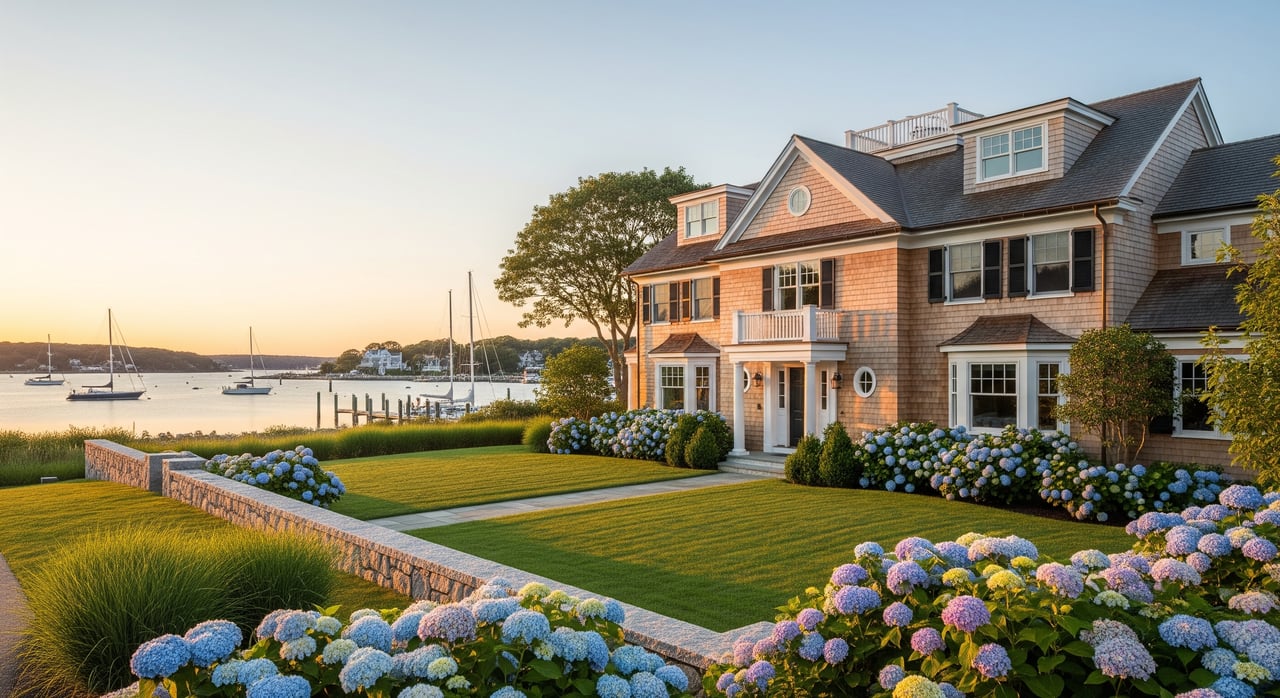
Best Time To Sell A Home In Hingham

January 1, 2026

Thinking about selling your Hingham home but unsure when to list? Timing can shape both your sale price and how quickly you move. In coastal New England, the market follows clear rhythms, and Hingham is no exception. In this guide, you’ll learn the best months to hit the market, how coastal factors affect your plan, and a step-by-step timeline to get spring-ready with confidence. Let’s dive in.

Why timing matters in Hingham

Across New England, buyer activity tends to peak in spring. Hingham follows this pattern because many buyers aim to move before the next school year and want to shop when homes and yards look their best. A late spring listing often benefits from stronger traffic, faster sales, and a better chance of multiple offers.

Hingham’s coastal setting adds a few twists. Waterfront and seasonal-home buyers are most active in late spring and summer, while commuters often intensify searches in spring and early summer. Winter can work if you need less competition, but weather can disrupt showings and exterior work.

Best months to list

March to early April

Listing in late March or early April positions you ahead of the peak rush. You can capture eager spring buyers while facing less competition than in May. You may still contend with lingering winter weather, so plan extra attention for curb appeal and exterior touch-ups.

Late April to May

Peak window: This is typically the strongest combination of price and speed. Yards and landscaping are at their best, and families are making summer move plans. Competition among sellers is also highest, so pricing and presentation must be thoughtful and strategic.

June to August

Summer stays active, especially for waterfront and out-of-state buyers. Longer days and greener landscapes help your photos and showings. Vacation schedules can slow weekday traffic, and some buyers may wait for fall. Time on market may stretch if inventory remains high.

September to October

Early fall provides a solid second window. Buyers are focused and motivated, including those relocating for work. Competition is lower than in spring. Shorter daylight and routine yard work are factors, so plan for clean gutters, tidy beds, and regular leaf removal.

November to February

Winter brings the lowest inventory and fewer buyers, which can help you stand out. Expect slower traffic and potential weather delays. Coastal storms can complicate showings and inspections. If you list now, a sharp price, strong indoor presentation, and flexible scheduling matter.

Who buys here and when

  • Families with school-age children: Most active in spring to close by summer.
  • Commuters to Boston: Shop year-round, with a noticeable uptick in spring and summer.
  • Waterfront and second-home buyers: Lean toward late spring through summer when coastal amenities shine.
  • Downsizers and retirees: Can be active any season, often more flexible on timing.

Coastal factors that change the playbook

Weather and access

Winter storms can delay repairs, appraisals, and exterior work. If you’re planning a spring listing, schedule exterior painting, deck staining, trim repairs, and landscaping as soon as temperatures allow. If you plan to highlight commuting convenience, confirm current ferry and MBTA schedules before marketing those details.

Flood zones and insurance

Flood status affects mortgages, insurance costs, and buyer confidence. Gather your FEMA flood zone designation, any elevation certificate, recent flood insurance premiums, and a history of improvements or mitigation work. Being proactive with documentation can reduce surprises during underwriting and keep your timeline on track.

Maintenance and permits

Salt air speeds up corrosion on rails, fasteners, HVAC condensers, and flashing. Touch up paint, tighten or replace corroded hardware, and check roof and siding. If your home is near conservation land or wetlands, know what permits applied to past work. Clarify whether the property is on sewer or private septic and have recent septic inspection or maintenance records ready.

A proven spring-seller timeline

Use this plan if you want to list in late March through May.

3 to 6 months before listing (November to February)

  • Interview agents with coastal experience and request recent comps for Hingham.
  • Order major inspections or estimates if a project may take months to complete.
  • Check flood zone and insurance status; locate any elevation certificates.
  • Begin decluttering and outline a staging plan.

6 to 8 weeks before listing (late January to March)

  • Finish cosmetic projects: interior paint, small carpentry, and spring yard prep.
  • Book professional photos and staging. Allow time for recommendations and edits.
  • Consider a pre-listing home inspection to reduce negotiation leverage later.
  • Collect utility bills, warranties, permits, septic records, and insurance docs.

2 to 4 weeks before listing

  • Deep clean, finalize staging, and schedule interior and exterior photos.
  • Write listing highlights that showcase spring gardens, harbor proximity, and commute options.
  • Set a competitive price based on an up-to-date comparative market analysis.

During the listing (April to May)

  • Keep the home show-ready with flexible hours, especially weekends and early evenings.
  • Consider a pre-market open house or a broker preview to build momentum.
  • Respond to interest quickly and be prepared to review offers in real time.

After offer acceptance (30 to 60 days to close)

  • Coordinate inspections, appraisal, and any agreed repairs.
  • For coastal homes, anticipate lender or insurance questions about flood zones and policies.

Quick prelisting checklist

  • Tackle exterior must-dos: roof shingles, gutters, deck rails, power-wash siding, refresh front door.
  • Apply fresh neutral paint in high-impact rooms and update lighting and hardware.
  • Stage the primary bedroom, living room, kitchen, and dining area for maximum appeal.
  • Emphasize views in photos if your home has water exposure or seasonal vistas.
  • Assemble coastal documentation: flood info, insurance, elevation data, and seawall or bulkhead maintenance records.
  • Consider septic inspection if applicable and keep maintenance paperwork handy.

Pricing strategy by season

  • Spring: Price to invite strong traffic and potential multiple offers. Overpricing can push buyers to competing listings.
  • Summer and fall: Highlight lifestyle advantages and price for the current buyer pool.
  • Winter: Lead with standout indoor features and recent system upgrades, and pair your pricing with compelling value.

What to track before you list

Before setting price, review local data and note the month and source for each figure. Helpful metrics include:

  • Median sale price and the 12-month trend for Hingham.
  • Months of inventory and current active listings compared with prior seasons.
  • Median days on market by month.
  • Percent of sales closing above list price.
  • Waterfront versus inland performance for price and days on market.

Authoritative sources to consult include MLS PIN for local comps and inventory, the Massachusetts Association of Realtors for monthly reports, and the National Association of Realtors for broader seasonality insights. For property-specific items, the Town of Hingham, Plymouth County Registry of Deeds, FEMA mapping, and MassGIS are useful resources. Always confirm the latest numbers before publishing or pricing.

Partner with a team that knows Hingham

Preparing for a spring launch takes coordination, from pre-list repairs and staging to coastal documentation and pricing. Livingston Group pairs boutique, high-touch service with Compass marketing tools to maximize your result. You get disciplined pricing guidance, concierge-level prep support, and polished presentation to stand out during peak season.

If you are weighing a spring sale or want a data-backed plan for another season, let’s talk. Schedule a strategy session with the Livingston Group to map your timeline, pricing, and marketing.

FAQs

When is the best time to sell in Hingham?

  • Late April to May usually delivers the strongest mix of buyer traffic, speed, and price, with March and early April offering a solid head start.

Is summer good for waterfront sales in Hingham?

  • Yes, late spring through summer is prime for waterfront and second-home buyers, thanks to better weather, longer days, and visible coastal amenities.

How do flood zones affect selling a Hingham home?

  • Flood status can impact financing and insurance; compile your FEMA zone, any elevation certificate, recent premiums, and mitigation records to streamline underwriting.

What if I miss the spring window?

  • Early fall can be an excellent alternative with motivated buyers and less competition; polish curb appeal and price strategically.

Does listing in winter ever make sense in Hingham?

  • It can, because inventory is lower; success often relies on sharp pricing, strong indoor presentation, and flexible showings despite weather.

What documents help coastal buyers feel confident?

  • Flood zone details, elevation certificates, recent flood insurance premiums, service records, permits, and any seawall or bulkhead maintenance logs.

How far in advance should I start preparing to sell?

  • Begin 3 to 6 months out for major projects and documentation, then finish cosmetic work and staging 6 to 8 weeks before you list.

Work With Us

Etiam non quam lacus suspendisse faucibus interdum. Orci ac auctor augue mauris augue neque. Bibendum at varius vel pharetra. Viverra orci sagittis eu volutpat.