Back Bay's Newest Restaurant Corner Opened in a Week. Its Next One Has Been Six Years in the Making.
September 24, 2026
September 24, 2026
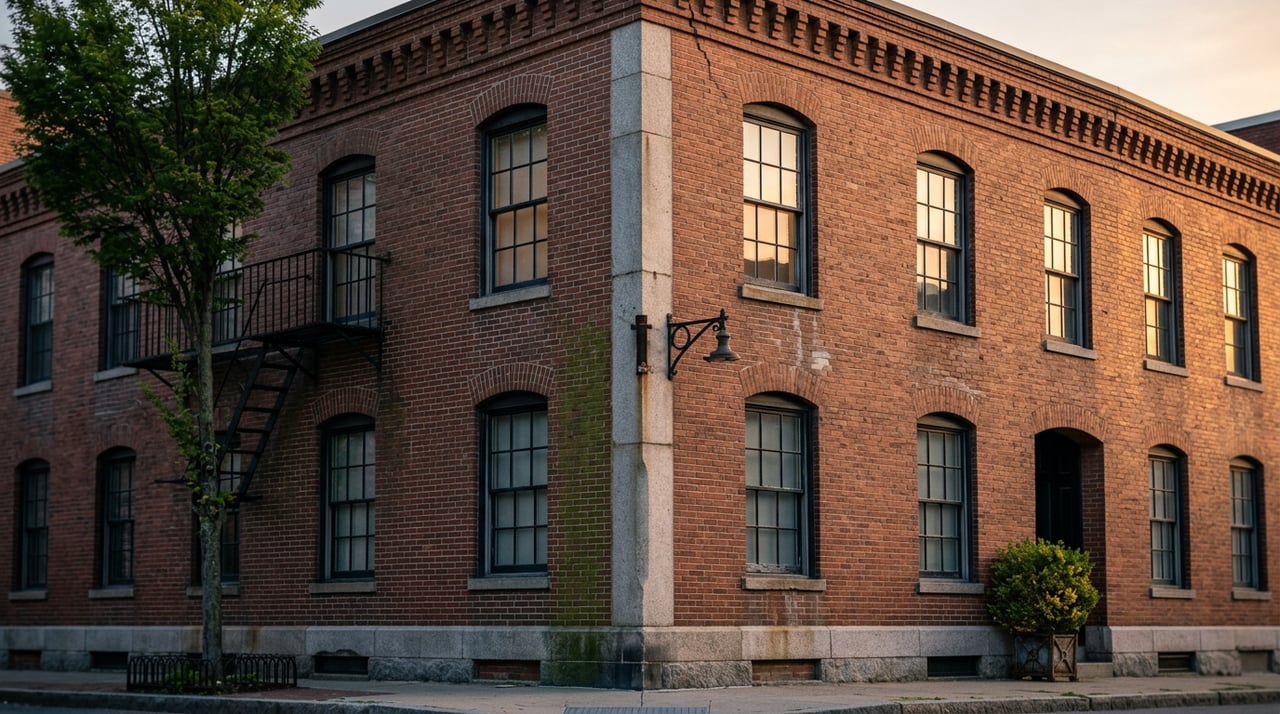
Walk Newbury Street on a September evening and you will find one corner of Back Bay working at full volume. At the Lyrik, the mixed-use building at 400 Newbury, hosts are turning tables at Rosa y Marigold while next door Avra Estiatorio is running whole fish to a room built for 250. A few blocks over, past the Public Garden, the Four Seasons' Boylston Street entrance sits behind curtained glass where the Bristol Lounge used to be. Nothing is happening there yet. Nothing has happened there since March 2020.
Both corners are technically part of the same story people keep telling about Back Bay this year: a restaurant boom. But they are running on two completely different clocks, and understanding the gap between them tells you more about how this neighborhood actually changes than any single opening ever could.
The Lyrik didn't ease into its restaurant tenants. In mid-April, Rosa y Marigold opened on the ground floor, the biggest venture yet from the team behind Somerville's Celeste and Cambridge's La Royal. It's a 100-seat room serving Peruvian sánguches, ceviches, and causas, with a purple pisco cocktail called the Newbury Sour named for its address. Live jazz runs Wednesday nights and during Sunday brunch.
Days later, Avra Estiatorio opened in the same building. The upscale Greek concept, which has locations in New York, seats 250 people around an in-house fish market, with whole fish flown in daily and dishes built around Aegean coastal cuisine.
Two major restaurants, one address, one week. That is not how Back Bay's dining scene usually moves. It's how a brand-new building moves when the leasing timeline and the construction timeline happen to land in the same season.
The Bristol Lounge is a different kind of vacancy. For 35 years after the Four Seasons opened in 1985, it functioned as what longtime regulars still call Boston's unofficial living room, the place where State Street brought its breakfast meetings and Beacon Hill brought its Sunday brunch. It closed during the pandemic and has sat empty ever since, sealed off behind a lobby wall while speculation about its future became something of a local pastime.
That wait is ending, but not quickly. A Street Hospitality, the group behind La Padrona at Raffles Boston and Trade downtown, is taking over the space with James Beard Award-winning chef Jody Adams designing the menu. The plan, as reported this spring, is a 300-seat restaurant and bar with an attached 400-member private club, described by the team as a restaurant built in chapters. The design comes from Ensemble, a New York hospitality studio that only launched this past April. Adams has talked about a menu anchored in local oysters, caviar and blini, lobster bisque, Dover sole, and prime rib, the kind of dishes that read as callbacks without borrowing the old name. The team has been explicit that this is not a revival: no connection to the prior ownership, trademark, or hotel brand, by design.
The opening window, according to the people building it, is late 2026 or early 2027. Compare that to the Lyrik's turnaround and the pattern comes into focus. New construction fills in the space of a lease signing. A historic hospitality space, once it goes dark, can sit empty for the better part of a decade before anyone gets the timing, the design, and the right operator to line up.
What's worth noticing is who is doing the reclaiming. This isn't an outside hotel brand parachuting into a landmark address. It's a Boston group with three restaurants already in the neighborhood, choosing the Back Bay location specifically because of what the team has called the personal weight of the address itself. That's a different kind of bet than opening in a brand-new building with no history attached to it at all.
Back Bay's dining scene doesn't only add. This spring, Amar, a high-end restaurant that had opened a few years earlier from an acclaimed chef, closed. It's a reminder that a wave of openings doesn't mean every seat in the neighborhood is safe, and that turnover here runs in both directions at once.
Meanwhile, a few blocks from all the new construction, Krasi has quietly been doing the opposite of turning over. The Greek meze and wine bar took over the old Café Jaffa space on Gloucester Street back in February 2020, right before the world shut down, and it's now more than six years into a run in a room that's still hard to get into on a given night. It didn't need a brand-new building or a six-year vacancy to make its case. It just needed to stay open through everything else that's happened on that street since.
That's the quieter half of the story. The Lyrik is proof that new real estate can produce an instant restaurant row. Krasi is proof that staying power in this neighborhood has nothing to do with how new the address is.
If you want to see both ends of this at once, the calendar is short. Open Newbury Street closes Newbury to cars from Berkeley Street to Massachusetts Avenue on select Sundays each year, and 2026 has two dates left: September 20 and October 11. The September date lines up with a Newbury Street Gallery Stroll organized by Vose Galleries, giving pedestrians a reason to walk the full eight blocks past the Lyrik's newer storefronts and the galleries that have anchored the street for decades. Cars stay off Newbury from 10 a.m. to 6 p.m. on both dates.
It's a good excuse to see the newest end of the street on foot before the season runs out, and to notice that the businesses that have been there for years are still setting the pace for the ones that just arrived.
The takeaway isn't that Back Bay is having a moment. Neighborhoods like this one are always having some kind of moment. The takeaway is that the moment is running on two different speeds at the same time. A brand-new building can go from empty storefront to full dining room in the time it takes to finish a lease. A landmark space with three decades of history behind it can sit dark for six years before the right operator, the right design team, and the right menu finally line up. Both are happening within walking distance of each other right now, and neither one is a preview of the other.
If you live here, that's useful information for planning a Tuesday night out. If you're watching this neighborhood from the outside and wondering what its rhythm actually looks like, it's the whole answer: change here doesn't move at one speed, it moves at two, and the buildings tell you which clock you're on before the menu does.
Livingston Group works across Back Bay and the rest of Boston with the same attention to detail this neighborhood rewards, whether you're watching it from a barstool or from a listing. If you're thinking about what a Back Bay address could mean for you, Livingston Group is glad to talk it through. Schedule a complimentary strategy consultation whenever you're ready.
Stay up to date on the latest real estate trends.